ルーレットで生まれる新しいアニメストーリー:アニメキャラの力で遊ぶPVPバトルの作り方と戦術ガイド
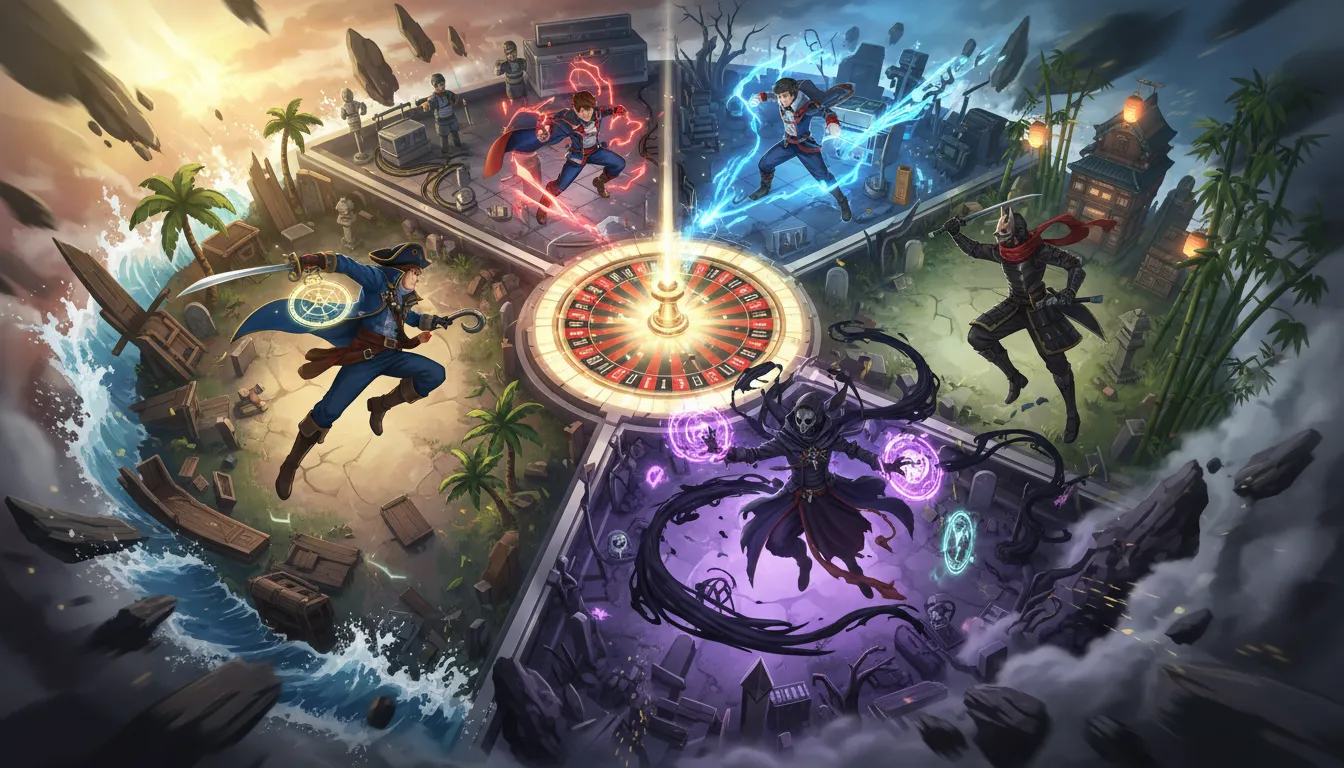
年末の余興として生まれたこの企画は、四大アニメの人気キャラクターをルーレットでランダムに引き、その能力を使ってPVPバトルを行う。この記事では、「アニメストーリー」を軸に、ルール設計、バランス調整、実戦で役立つ戦術、そしてゲーム実況やイベントに応用する具体的なアイデアを整理している。読者は、ただの遊びを越えたゲーム設計の知恵と、観るだけでなく自分たちで作って楽しめる実践的なノウハウを得られるはずだ。
目次
- 🎯 企画の核となるルールと流れ
- 🧭 企画を面白くするバランス設計のコツ
- ⚔️ キャラクター性別に見る戦術と立ち回り
- 🧩 具体的なラウンド運営と実況演出のヒント
- 🔬 戦いの中で生まれる小さなアニメストーリーの作り方
- 💡 実例:対戦シナリオから学ぶ戦術的示唆
- 📸 スクリーンショットの使い方とタイミング
- 🛠 イベントを自分で開催するためのチェックリスト
- 📈 成功するイベントに共通する要素
- 🔁 よくある疑問に答えるQ&A
- 📣 まとめと次に試すべきアイデア
🎯 企画の核となるルールと流れ
基本ルールはシンプルだが、偶然性がゲーム性を高める。まず参加者は四つのアニメルーレットから好きなものを選ぶ。選択肢はワンピース、ヒーローアカデミア、呪術廻戦、鬼滅の刃。各ルーレットにはそのアニメのキャラクターや必殺技、あるいは特性が複数入っていて、ルーレットで出た結果に合わせてその能力をゲーム内で再現する。
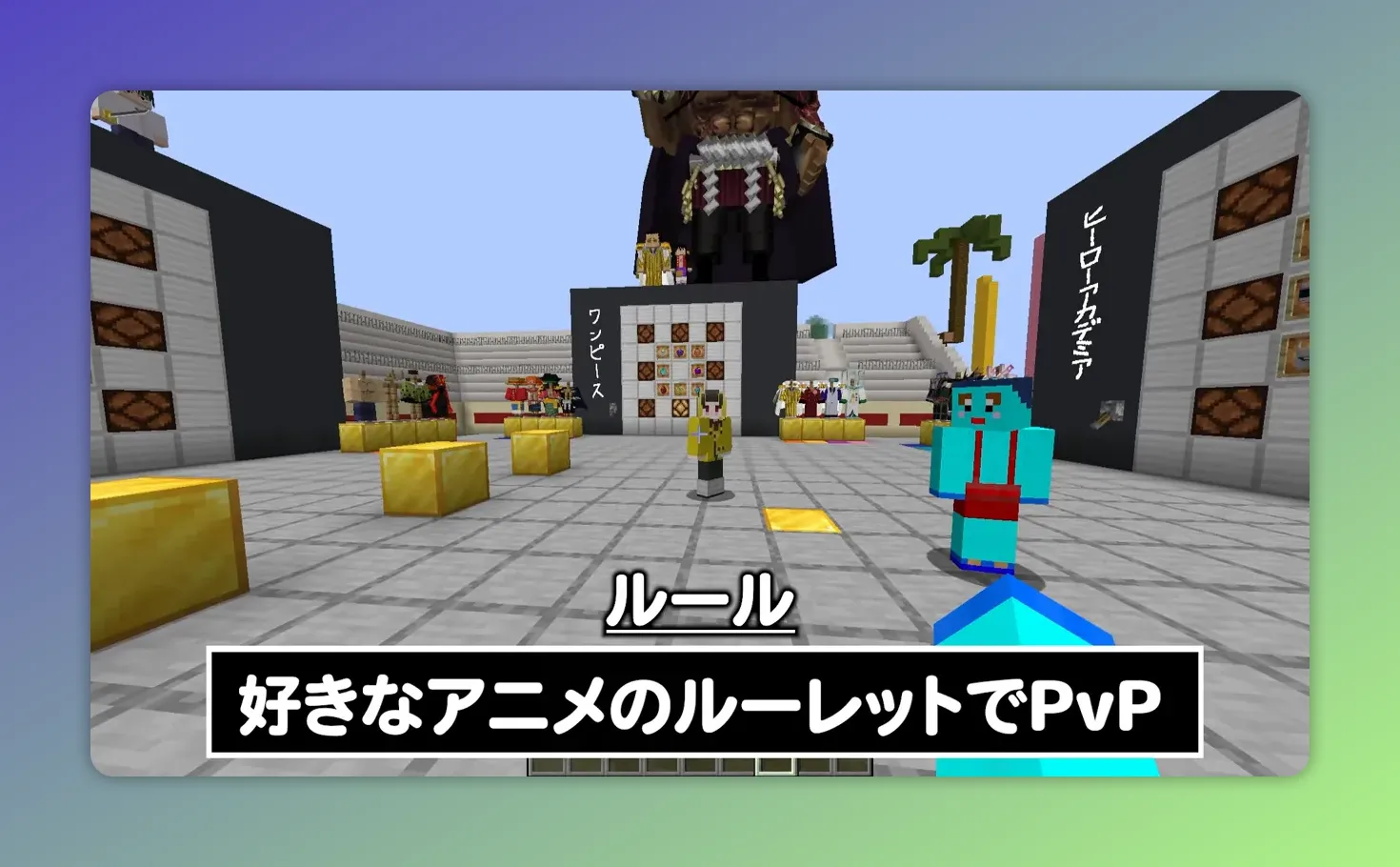
ルール設計上のポイントは次の通り。
- ランダム性と戦略性の両立:ルーレットは完全ランダムだが、プレイヤーはどのルーレットを回すかを選べる。これにより意図的なリスク選択や心理戦が生まれる。
- 能力の実装と簡潔さ:原作の力をそのまま再現するのではなく、ゲームで扱いやすい形に簡略化する。例えば領域展開は「必中エリア攻撃」、悪魔の実は「属性変化+飛行」などに落とす。
- マップとの相性:戦う舞台はキャラの出自を意識したマップにすることで世界観を強化する(例:竜宮城や鬼ヶ島のテイストなど)。
- リプレイ性:複数ラウンド制にして、誰かが脱落してもラストで再抽選する仕組みを入れると盛り上がる。
この仕組みを通して生まれる「アニメストーリー」は、一つの対戦だけで完結する小さな物語を複数作り出す。それが観客にとっての面白さであり、参加者にとってのリプレイの動機になる。
🧭 企画を面白くするバランス設計のコツ
ランダム要素が強い企画では、バランス調整が肝となる。以下は実際の対戦で感じた改善点と対処法だ。
- 強力すぎる技にはトレードオフを付ける:例えば「領域展開」は強力だが、使用中は動けない、発動に長い詠唱が必要などの欠点を設けると良い。これにより戦術性が生まれる。
- 空中移動や瞬間移動には制限を:飛行やロギア系による空間支配は非常に強い。視認性を下げる(燃える・霞む演出を短時間にする)、クールダウンを設けるなどで対応する。
- 汎用攻撃の重要性を残す:原作技が派手でも、最終的には「シンプルな攻撃で倒す」ことが勝敗の決め手になる場合がある。汎用攻撃に一定の信頼性を与えておくことで試合が冗長にならない。
- 復活手段と回復アイテムの設計:金リンゴのような回復アイテムを置くと、近接戦に有利なキャラでも息切れせずに戦える。
結果として「アニメストーリー」の魅力は、派手な必殺技と泥臭い殴り合いのバランスにある。どちらか一方が飛び抜けると物語性が薄れるため、設計段階で両者を埋める工夫が必要だ。
⚔️ キャラクター性別に見る戦術と立ち回り
四つのアニメ系列にはそれぞれ異なる戦闘思想がある。企画ではそれを生かしつつ、対戦で活きる立ち回りを示すことが重要だ。
ワンピース系の特徴と戦術
ワンピース系は属性系や身体改造、航海者としての“範囲支配”が強み。ロギア系の空中有利や、斬撃の強いキャラはマップを広く使える。
- 移動を活かすプレイ:飛行や瞬間移動は、視線と射線をコントロールするために優先的に使う。
- 対抗策:空中支配を潰すために追跡可能なサブ武器や罠を置く。
ヒーローアカデミア系の特徴と戦術
個性(クワーク)により瞬間的な火力や防御強化が可能。高火力を瞬間的に出すキャラが多い。
- バーストで畳み掛ける:短時間のバーストダメージで相手の猶予を奪う。
- クールダウン管理:強力な個性は再使用に時間がかかるため、隙を狙うプレイが有効。
呪術廻戦系の特徴と戦術
領域展開のような“必中エリア”や術式解除といった、相手の行動を制限する技が多い。配置とタイミングで試合を支配する。
- 位置取りの重要性:領域の範囲内に入れない動きを誘発することで相手を消耗させる。
- 対抗策:領域に入る前に妨害技を使うか、領域外からの継続ダメージで圧をかける。
鬼滅の刃系の特徴と戦術
剣術と呼吸技による近接の強さが核。原作で見られる型のように、反射的な回避と一撃の斬撃が決め手になる。
- 間合い管理:近接キャラは相手の到達を許さない間合いを維持することが重要。
- 補助的なアイテム:回復や瞬間強化のアイテムを使って、致命的な瞬間を生き延びる戦術が有効。
🧩 具体的なラウンド運営と実況演出のヒント
イベントや配信での見せ方はアニメストーリーを伝える鍵だ。演出はシンプルでも効果的にできる。
- ルーレット演出:どのルーレットを選ぶかのナレーションを丁寧にする。期待感を操作することで観客の没入感を高められる。
- 能力紹介カード:抽選で出たキャラの能力は短いカード(テキストとアイコン)で表示するとわかりやすい。
- ラウンドごとのハイライト:重要な決着シーンはスローリプレイやテキストで要点を説明すると理解が深まる。
- 最後の決戦の見せ方:全員が最強クラスのルーレットを回すラストラウンドは、ステージを特別仕様にして派手に演出する。
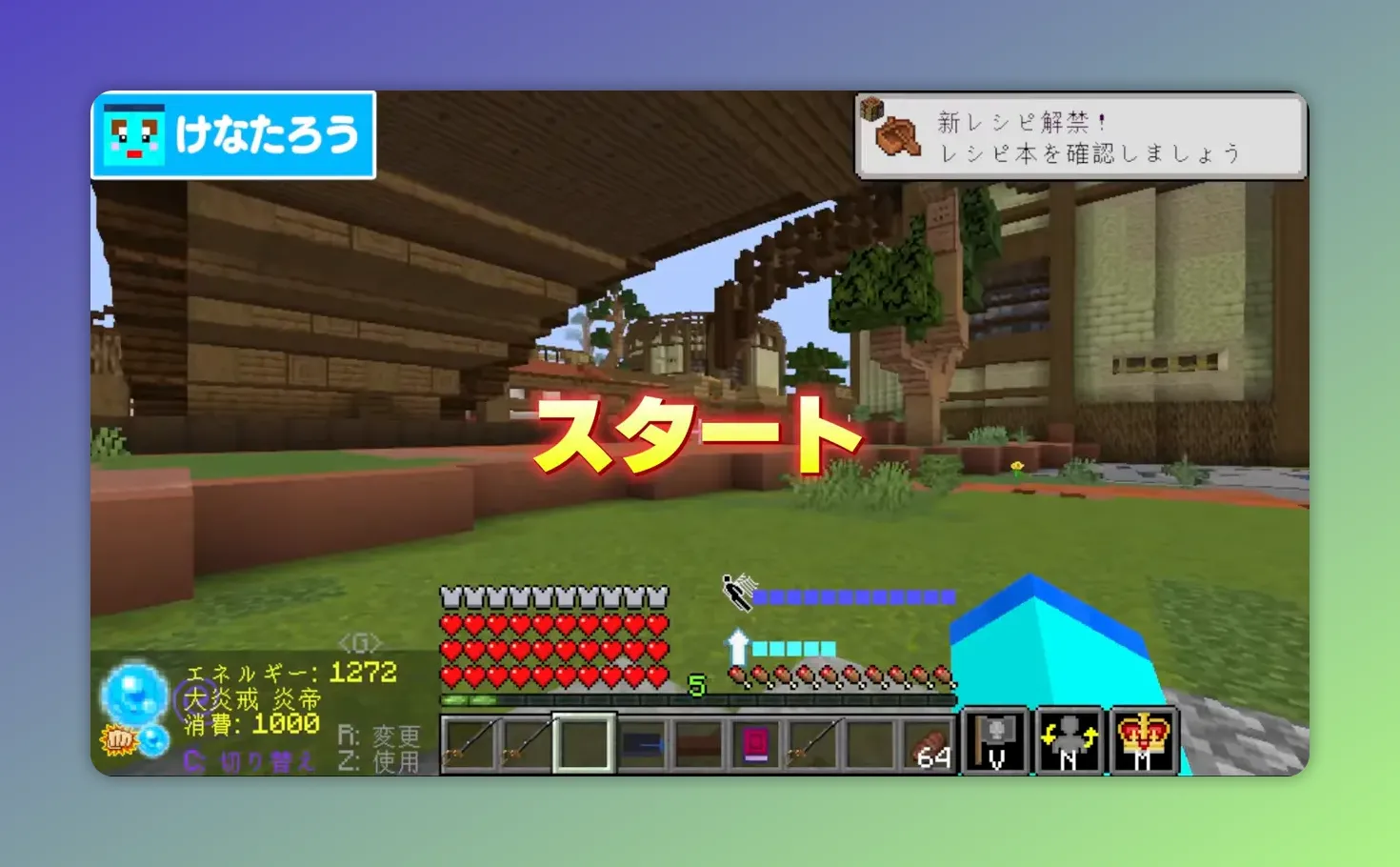
実際の試合では、最初の一撃で勢いがつくことが多い。だが、最終的には“誰が最後まで生き残るか”というシンプルな物語に落ち着く。そのシンプルさこそが、アニメ性を際立たせる。
🔬 戦いの中で生まれる小さなアニメストーリーの作り方
アニメの魅力はキャラクターのドラマだ。PVPの短い時間にもドラマを作れる工夫を紹介する。
- 序盤の掘り下げ:どのキャラがどんな特性を持っているかを簡単に示すワンポイント説明を用意する。観客はキャラの背景を知るだけで感情移入しやすくなる。
- 中盤の葛藤:有利不利がはっきりする技を使うか、取捨選択で緊張を作る。たとえば「領域展開を使うか温存するか」の葛藤はドラマになる。
- 終盤の見せ場:シンプルな一撃で逆転する可能性を常に残しておく。最後にシンプルな殴り合いで決着がつくと、観客は満足しやすい。
こうした構造を意図的に作ることで、各ラウンドが小さな「アニメストーリー」として機能する。勝敗以上に「どう倒したか」が記憶に残るのだ。
💡 実例:対戦シナリオから学ぶ戦術的示唆
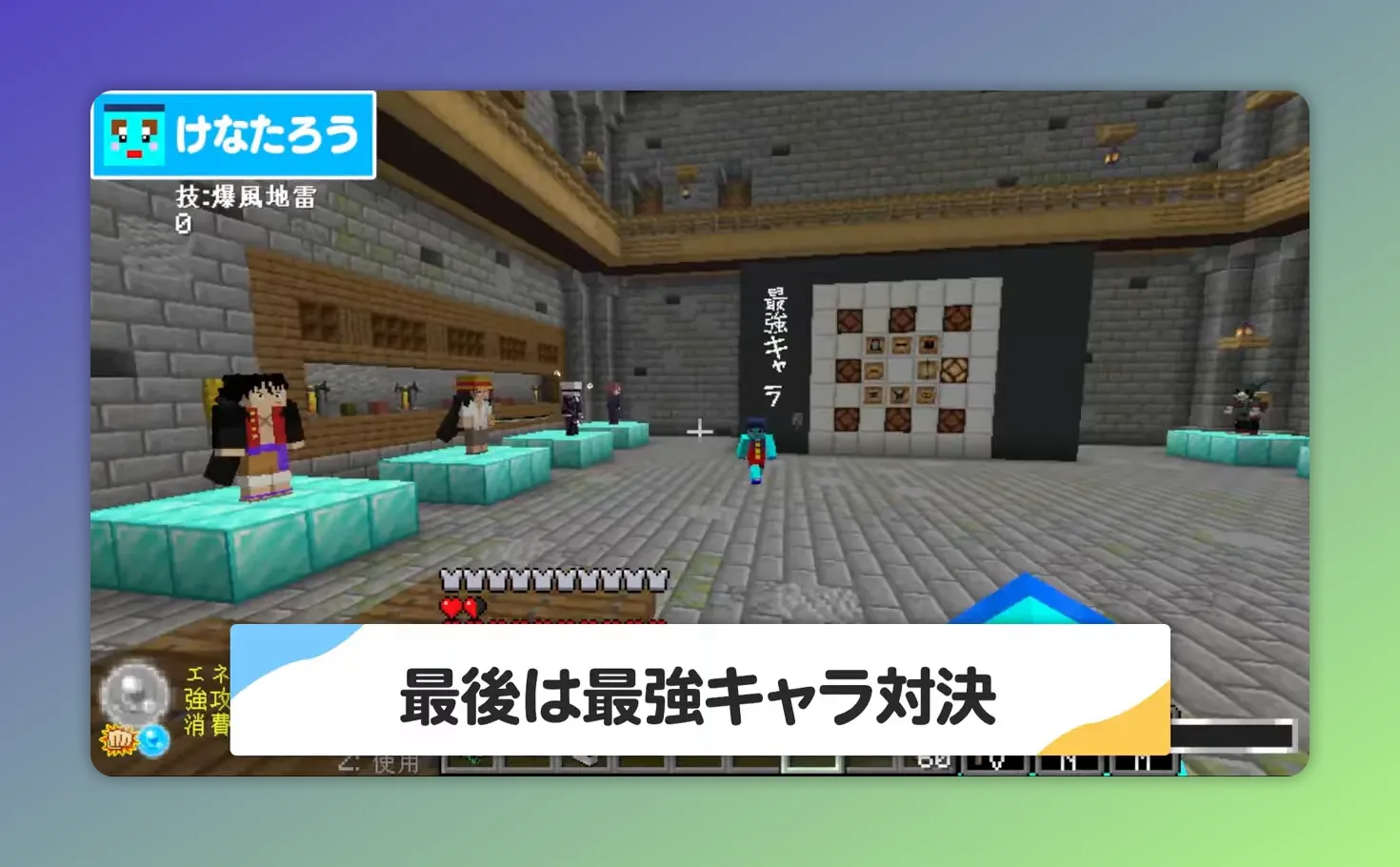
以下はイベント中に起きた代表的な局面と、その分析だ。実戦から得られる教訓は運営やプレイヤー両方に有益だ。
ケース1:領域展開の強さと弱点
呪術系の領域展開は強烈な支配力を持つが、発動中の静止時間や外部からの干渉に弱い。発動と同時に複数の敵に狙われると返り討ちに遭うリスクがある。
- 教訓:領域は「使うタイミング」を勝敗に直結させる。発動前に状況を整えるか、逆に強襲されるリスクを管理する妥協案が必要。
ケース2:空中支配と地上の反撃
ロギア系の空中支配は一時的に有利を生むが、地上のプレイヤーが粘り強く回復や罠で対処すると体力を削られる。飛んでいるだけでは勝てない。
- 教訓:空中型キャラは視界を切り替える意識と、空中から落とすための緩衝技を持つと安定する。
ケース3:ランダム要素が作るドラマ
ルーレットの結果で場面が一変する瞬間は最も盛り上がる。弱そうに見えたキャラが意外な場面で活躍することが、アニメストーリーの醍醐味だ。
- 教訓:運の良さを楽しめる調整は重要。運以外の腕が完全に潰れるほどの偏りは避ける。
📸 スクリーンショットの使い方とタイミング
イベントを記事や回顧録で伝える場合、スクリーンショットは瞬間の熱量を伝える強力な手段だ。適切なタイミングで画像を差し込み、解説を添えると読み手の没入感が上がる。
- ルール説明中のルーレット画面:抽選のワクワク感を伝える。
- 試合開始直後の混戦シーン:勢いを示す瞬間を切り取る。
- ラストバトルでの決定打:勝敗を決めた一撃を見せる。
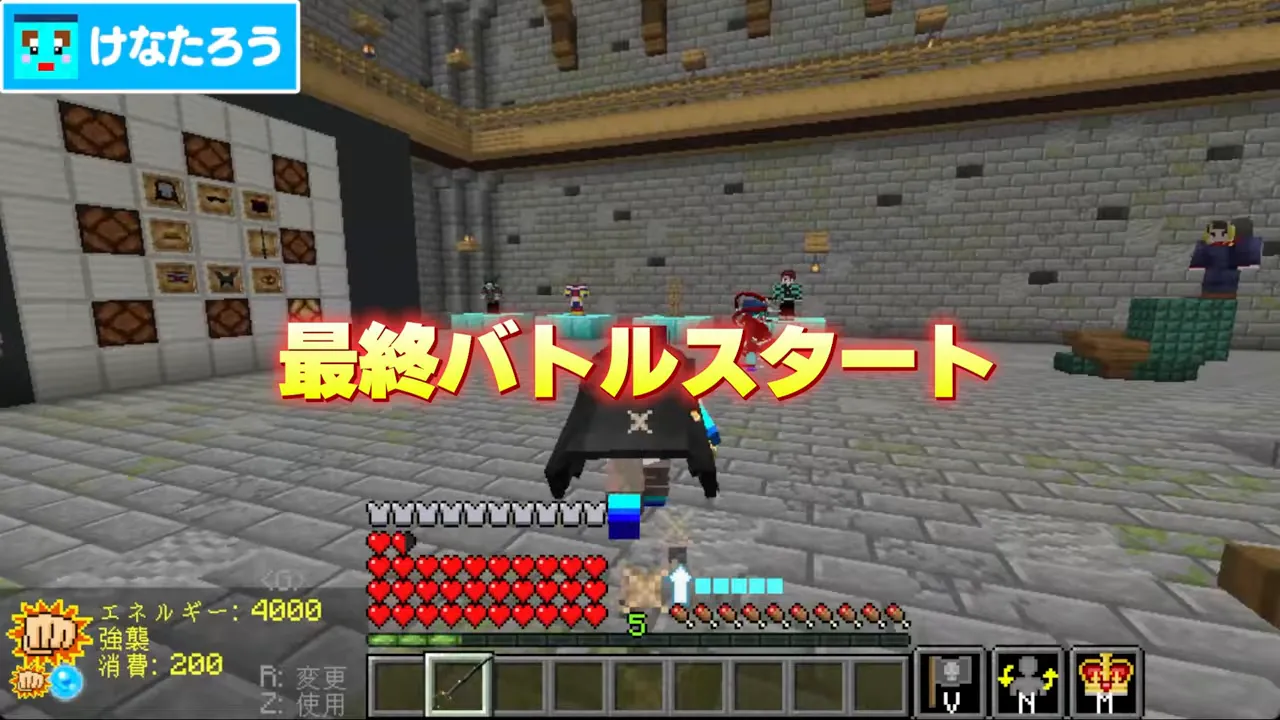
記事内で画像に短い説明をつけると、読み手は状況を素早く把握できる。視覚と文章が連動することで、より強い「アニメストーリー」が立ち上がる。
🛠 イベントを自分で開催するためのチェックリスト
実際に同様のPVPイベントを企画する場合の実用チェックリストを用意した。準備と運営をスムーズにするために使ってほしい。
- ルーレットの構成を決める:各アニメに何人分の枠を割くかを決める。
- 能力の簡易化ルールを作る:原作の技をゲーム向けに翻訳するガイドラインを用意する。
- 使用マップの選定:各ラウンドごとに舞台を変えると世界観が出る。
- 安全対策:小中学生が使う場合は暴言対策や暗い演出の確認をする。
- 実況とナレーションの台本:場を盛り上げるためのキーフレーズやツッコミのテンプレを作る。
- リプレイ・ハイライト収録の準備:決定的瞬間を逃さない録画体制を整える。
- 参加者の事前説明:どの程度のロールプレイを許容するか、ルール徹底を図る。
このチェックリストをもとに一度テストプレイを行うと、実際の運営時にトラブルが減る。参加者が安心して遊べる環境作りは最重要だ。
📈 成功するイベントに共通する要素
これまでの観察から、成功して盛り上がるイベントには共通点があった。要点をまとめる。
- 分かりやすいルール:初心者でもすぐ理解できる簡潔さがある。
- 視覚的な演出:抽選や領域展開など、視覚で伝わる要素が多い。
- リプレイ性:何度でも見返したくなる決着がある。
- 参加の自由度:どのルーレットを選ぶかで個性が出る設計。
- 物語性:勝敗の結果に加え、「どう勝ったか」が語れる展開がある。
これらはすべて、最終的には「アニメストーリー」を作るための要素だ。人は勝敗だけでなく、その過程にあるドラマを記憶する。
🔁 よくある疑問に答えるQ&A
Q. ルーレットの偏りをどう防ぐ?
A. ルーレットは一見ランダムだが、各枠に「当たり度」を設定して重み付けすることで極端な偏りを防げる。また、最終ラウンドで全員が最強ルーレットを回す仕組みを入れるのも有効だ。
Q. キャラの再現度はどこまで求めるべき?
A. 完全再現は難しい。観客が「それっぽい」と感じられる演出と、ゲーム性に直結する主要効果だけを残すのが現実的だ。
Q. 子供向けに安全に運営するには?
A. 表現の過激さを抑え、暴力的な表現は抽象化する。ルールの中で反則や誹謗中傷を明確に禁止することが必須だ。
📣 まとめと次に試すべきアイデア
ルーレットで決まるキャラクター能力を使ったPVPは、偶然と戦術が混ざり合った非常に魅力的な企画だ。小さな勝負の積み重ねが一つの「アニメストーリー」を作り、参加者も観客もそれを楽しめる。次に試すべきアイデアをいくつか挙げる。
- リーグ戦形式:複数回のラウンドでポイント制を導入し、シーズン制にする。
- 観客投票要素の追加:観客の投票で「特別演出」を選ぶなどインタラクティブな要素を入れる。
- オリジナル能力の導入:視聴者参加型で新しい技を作り、それをルーレットに追加する。
- クロスオーバーストーリーパック:異なるアニメ要素を組み合わせた限定ルーレットを作る。
こうした拡張で、より多様で深みのある「アニメストーリー」が作られていくだろう。
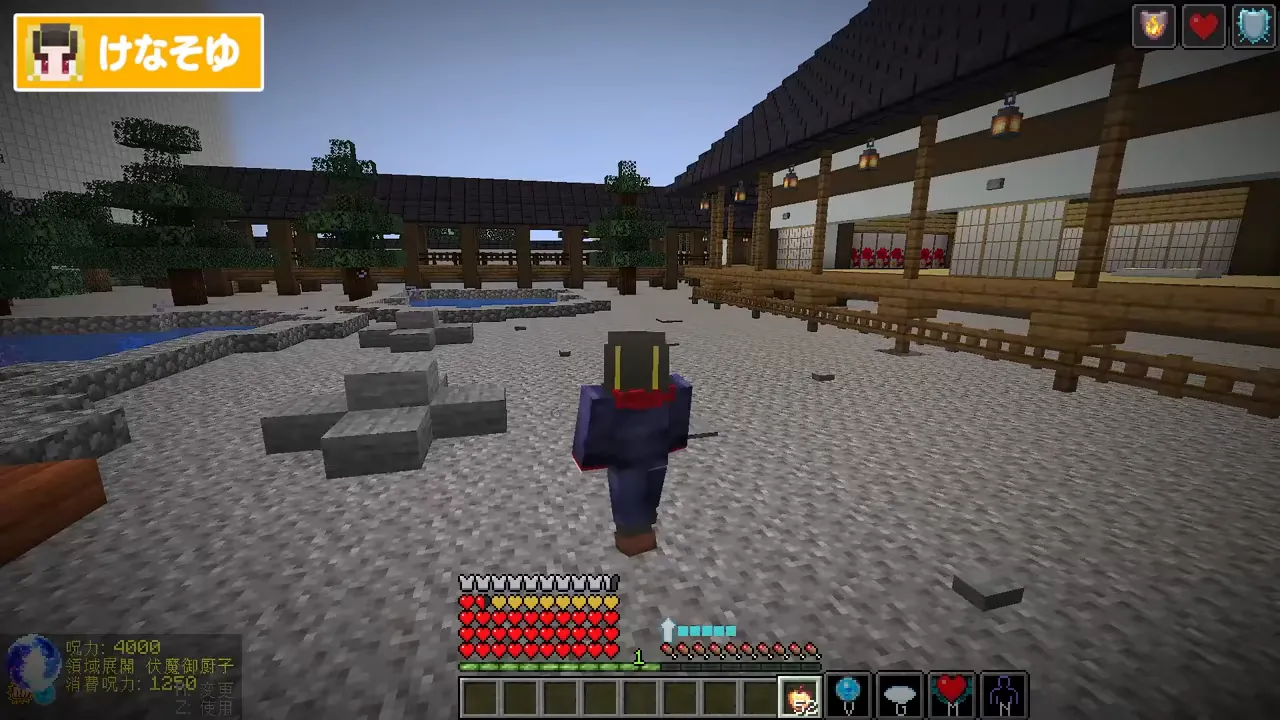
最後に、この記事を読んでいる人は自分たちでルールを試行錯誤し、小さなイベントから始めてみると良い。シンプルな変更が大きな面白さを生むことが多い。私たちはこの形式を通じて、アニメの世界観を遊びで体験する新しい方法を提案したい。
あなたの作るルールや面白い対戦のアイデアがあれば、ぜひ実践して小さな「アニメストーリー」を作ってほしい。それが次の大きな遊びの種になるはずだ。
This article was created from the video ルーレットで出たアニメキャラの力を使ってPVPバトル!【まいくら / マインクラフト】 with the help of AI.
Anime themes explained: Unpacking "Adrena" — the Hana-Kimi opening that pulls heartstrings
The phrase Anime themes explained often brings to mind dry analysis or long lists. This piece flips that expectation. It treats an opening theme as a living thing: sound, image, and story braided together. Using "Adrena" by YOASOBI, the opening for Hana-Kimi, as a case study, this article shows how Anime themes explained can reveal character motives, emotional stakes, and narrative texture without getting lost in jargon.
Anime themes explained becomes a toolkit here. The article breaks down music, lyrics, and visuals and shows how they combine to signal what matters in the story. It also provides practical tips creators and fans can use to read openings more effectively. The goal is clear: make Anime themes explained useful, concrete, and inspiring.
Key takeaways
- Openings are a concentrated narrative. Anime themes explained highlights how three-minute pieces can set tone, hint at conflict, and map emotional arcs.
- Music and visuals work as shorthand. Anime themes explained shows that instrumentation, vocal delivery, and imagery together communicate character energy and plot priorities.
- Lyrics often double as internal monologue. Anime themes explained demonstrates how a song can voice longing, disguise, or desire that scenes only imply.
- Creators can design openings deliberately. Anime themes explained includes practical tips for writers, directors, and composers looking to craft openings that matter.
Why openings matter — a primer for Anime themes explained
Openings are the first sensory contract a show makes. They promise a mood and a set of expectations. Anime themes explained frames openings not merely as promotional material but as compressed storytelling. In three minutes, an opening can reveal genre, hint at plot, and create emotional readiness. Understanding this is the first step for anyone who wants to extract meaning from a theme song or use that song to grasp the series' heart.
Hana-Kimi is a romantic comedy built on disguise, desire, and the competitive world of high school athletics. The opening function is twofold. It must declare the show's playful tone and quietly underline its emotional stakes. Anime themes explained recognizes that an opening like "Adrena" exists to do both simultaneously: to energize and to intimate.
What makes an opening work
- Clarity of tone: The music needs to match the show’s emotional register.
- Visual leitmotifs: Repeated images anchor the viewer’s attention and suggest themes.
- Lyrical resonance: Lines that resonate with the protagonist’s inner state give the opening interpretive weight.
- Pacing and edits: Fast cuts and syncopation translate adrenaline into visual rhythm.
Anime themes explained often foregrounds these elements because they are the tools that transform a sequence from decorative to meaningful. With that lens, the next sections break down "Adrena" and show each tool in action.
Breaking down "Adrena": lyrics, music, and mood
At first listen, "Adrena" feels kinetic. The tempo, synth textures, and VO delivery create an urgency that mirrors athletic motion. Its lyrics hover between literal yearning and metaphor. Anime themes explained benefits from this ambiguity. A line that sounds like a romantic vow also reads as a competitive spark.
Lyric as character voice
Lines such as "私の世界 魔法にパッとかけられて" (a world suddenly touched by magic) and "My heart is burning" function like interior monologue. They are not plot exposition. Instead they map emotional temperature. When an opening uses lyrical phrases that read as first-person confession, Anime themes explained interprets those lines as access points to the protagonist's inner life.
For Hana-Kimi, a story about a girl disguising herself as a boy to chase an idol, lyrics that alternate between wonder and confession fit perfectly. The same line can mean "I’m dazzled by love" and "I’m committed to this risky disguise." Anime themes explained shows how these dual readings deepen the opening’s purpose.
Musical choices and their narrative weight
YOASOBI’s arrangement blends pop immediacy with cinematic swells. The mix emphasizes vocal clarity against sharp rhythmic elements. This makes emotional statements land with punch. Anime themes explained interprets that production choice as intentional: the mix is designed so that listeners absorb the lyrics at once and feel the urgency through beat and texture.
Instrumentation also offers clues. Brighter timbres suggest youth and optimism, while darker synth tones hint at tension. When an opening alternates between these sonic palettes, it is subtly signaling conflict beneath the surface cheer. This is a primary insight from Anime themes explained: sound palettes are narrative devices.
Why repetition matters
The repeated "ラララ..." chorus may feel like filler on the surface, but it serves a psychological function. Repetition in music creates a hook and a ritual. It lets the audience chant along and internalize the song’s mood. Anime themes explained treats repetition as a tool to move viewers from observers to participants. In Hana-Kimi’s case, it invites the audience into the protagonist’s persistent longing and the obsessive focus required by a secret identity and competitive sport.
Visual storytelling in the opening sequence
Color, framing, and motion language perform a lot of invisible work. "Adrena" pairs youthful, saturated imagery with quick cuts and freeze-frame moments. The visuals emphasize both the thrill of athletic ambition and the awkwardness of maintaining a disguise.
Motifs and what they signal
- The high jump: A recurring athletic image that doubles as a metaphor for risk, elevation, and the leap toward someone unreachable.
- Mirrors and clothing swaps: Visual cues for identity, reflection, and the performance of self.
- Close-ups on eyes and hands: Intimacy beats that ground the emotional stakes between characters.
Anime themes explained often tracks motifs like these because they allow simple scenes to carry layered meaning. A jump becomes a promise. A glance across a dorm hallway becomes an unspoken conversation. When these images are repeated, they map out the series’ emotional geography before a single plot point unfolds.
Editing rhythm and emotional pacing
Quick cuts synced to percussion convey energy. Slower dissolves paired with a lingering vocal line create tenderness. "Adrena" alternates between these rhythms, which mirrors the push-and-pull of Hana-Kimi’s tone: comedic beats versus sincere longing. Anime themes explained underscores that such editing choices train the viewer to expect tonal shifts and prepares them emotionally for the series’ blend of humor and heart.
How "Adrena" reflects Hana-Kimi's central themes
At the heart of Hana-Kimi lie themes of identity, devotion, performance, and the search for authenticity under pressure. "Adrena" points to each of these through a combination of lyric, sound, and image. Anime themes explained reveals how opening themes can distill complex themes into a sequence that reads like a promise about the series’ direction.
Identity and disguise
The song’s first-person language coupled with visuals of dressing, reflection, and camouflage places identity at the forefront. The protagonist’s decision to disguise herself is both tactical and emotional. In that space, every line about a heart burning or a world enchanted reads as a justification for risk. Anime themes explained highlights that openings often prioritize the protagonist’s felt reasoning over plot mechanics, because emotion drives permission to suspend disbelief.
Devotion and fanhood
Mizuki Ashiya’s journey begins as fandom—an idol inspires devotion that moves to action. Musically, lines that hover between admiration and near-obsessive focus map to this dynamic. The energy in the chorus communicates a rush that is both romantic and adrenaline-fueled. Anime themes explained frames this as smart storytelling: a pop song can replicate the rush of being a fan, which makes the protagonist’s choices feel emotionally authentic.
Performance on and off the field
The high jump motif underlines performance. Whether on the track or in the dorm, characters perform for others and for themselves. The music’s dynamic shifts underscore that performance is not just physical but emotional. Anime themes explained stresses that openings often conflate athletic moments and personal ones to show how public acts are deeply private struggles.
What creators can learn from this opening
Anyone making a show or designing a sequence can extract practical lessons from "Adrena." Anime themes explained is not only an analytical label; it doubles as a set of production principles. Here are focused, actionable takeaways.
Designing a song with narrative intent
- Start with voice: Choose lyrics that can be read as internal monologue. That folds character into the music immediately.
- Match beat to motion: Sync musical attacks to intended physical rhythms in the visuals so edits feel inevitable.
- Use repetition intentionally: Refrains and chants create emotional memory.
Composing visuals that reinforce theme
- Create a motif bank: Pick three recurring images that carry thematic weight and repeat them with variation.
- Vary tempo: Alternate fast cuts with slow, intimate shots to reflect tonal range.
- Leverage close-ups: Small gestures are the fastest route to empathy.
Anime themes explained is most useful when it becomes directive. These bullets are not theoretical. They are production-friendly rules of thumb, distilled from observations in "Adrena."
How to read an opening like a map
Openings function like a map of emotional stakes and narrative hooks. Treat them as such, and they reveal the terrain of a series before plot moves you through it. Anime themes explained offers a step-by-step method for extracting that map.
- Listen for voice: Whose perspective does the lyric suggest? First-person lyrics indicate internal narration.
- Scan motifs: Identify three images that repeat. Ask what each might symbolize.
- Note tonal shifts: When does the music move from bright to dark? Those moments often mark thematic friction.
- Match sound to motion: Are beats aligned with visual hits? This reveals the intended energy of key scenes.
Using this process to read "Adrena" clarifies how the opening telegraphs Hana-Kimi’s emotional commitments: longing, risk, and the strange thrill of a secret life lived close to someone you adore. Anime themes explained, therefore, is not a mere label. It is a method for listening and looking with purpose.
Practical guide: applying Anime themes explained to your favorite openings
Here are concrete exercises to practice the Anime themes explained approach. They are short, actionable, and meant to be repeated.
- One-minute motif scan: Watch the opening once with the sound down. List three images you remember and a single word for what each might mean.
- Lyric spotlight: Pick one line of lyrics and write a one-paragraph internal monologue for the protagonist that could justify that line.
- Sound-to-edit matching: Play the opening with headphones and clap on each musical beat. Note which image appears on those beats. Are the edits emphasizing action or feeling?
- Create your own hook: Compose a two-line refrain that expresses the protagonist’s primary want. Keep it ambiguous enough to serve multiple readings.
These exercises make Anime themes explained a skill, not a theory. They are useful for critics, creators, and fans who want to deepen their appreciation in a structured way.
Examples from other openings that follow similar patterns
Patterns repeat across anime. An opening that combines first-person lyrics, repeated visual motifs, and rhythmic edits will often indicate certain narrative priorities. Anime themes explained identifies recurring structures:
- Heroic loftiness: Major chords, ascending visuals, and expansive camera moves for shows focused on growth.
- Romantic interiority: Whispered vocals, close-ups, and warm palettes for love-centric narratives.
- Tension and secrecy: Minor keys, mirrors, and split-screen effects for stories about disguise or hidden identities.
Recognizing these structures helps readers quickly categorize a show’s emotional commitments before delving deeper.
Measuring impact: why some openings stick
Memorability is the intersection of hook and meaning. Anime themes explained suggests three metrics to decide whether an opening will stick in cultural memory:
- Singability: Can listeners hum the melody after a single listen? Repetition and clear melodic contours boost singability.
- Image clarity: Are the motifs distinct and repeatable? A handful of strong images is easier to recall than many weak ones.
- Emotional specificity: Does the opening convey a distinct feeling rather than a vague mood? Specific emotion creates a stronger associative bond.
"Adrena" succeeds on all three counts. Its chorus is memorable, the high jump motif is clear, and the overall feeling—urgent longing—lands with precision. Anime themes explained emphasizes that when these three axes align, an opening becomes part of the show’s identity.
Common pitfalls when analyzing openings
Not every aesthetic choice is meaningful. Anime themes explained warns against overreading. Here are frequent traps:
- Attributing symbolism to design constraints: Sometimes a repeated image exists because it was easy to animate, not because it’s loaded with meaning.
- Confusing tone with theme: A bubbly song can open a dark show for contrast. Tone must be checked against narrative context.
- Assuming lyrical literalism: Lyrics often operate metaphorically. Treat direct readings with skepticism unless corroborated by story beats.
These cautions refine Anime themes explained into a disciplined practice rather than an exercise in projection.
What does "Adrena" communicate about Hana-Kimi's protagonist?
It communicates a mixture of devotion and daring. The song’s first-person lines and urgent instrumentation position the protagonist as emotionally committed and willing to take risks. The musical and visual cues emphasize longing and performance, suggesting that personal desire and public display are intertwined in the character’s choices.
How can someone use Anime themes explained to compare different openings?
Use a simple rubric: voice perspective, motif strength, tonal range, and hook memorability. Score each opening on these dimensions. Anime themes explained encourages looking for patterns rather than isolated features, which makes comparison clearer and less subjective.
Are lyrics in openings usually literal or metaphorical?
They are often metaphorical. Openings compress complex emotional states into short lines, so metaphor and ambiguity help lyrics serve multiple narrative functions. Reading lyrics as literal plot summaries is rarely productive under the Anime themes explained approach.
Why do some openings use prolonged vocalizations like "ラララ..."?
Prolonged vocalizations create ritual and memorability. They act as hooks, encourage audience participation, and can signal emotional overflow beyond specific words. In Anime themes explained, such refrains are seen as devices to bind the audience to the song’s emotional rhythm.
How should creators balance visual spectacle with narrative clarity in an opening?
Prioritize a small set of strong motifs and make each cut serve an emotional purpose. Visual spectacle should not overwhelm meaning. Anime themes explained advises keeping the motif set tight—three or four recurring images—so the sequence remains striking and interpretable.
Parting thoughts on Anime themes explained and "Adrena"
Openings are a compact language. They speak in melody, color, cut, and lyric. When approached with the mindset of Anime themes explained, an opening becomes a key: it unlocks the show’s emotional architecture. "Adrena" demonstrates how a modern pop arrangement, paired with visually consistent motifs and intimate lyrics, can encapsulate a series’ stakes in a few minutes.
For creators, the lesson is practical: design each element to carry narrative weight. For fans and critics, the method is actionable: listen for voice, scan for motifs, and map edits to emotional beats. Anime themes explained is, in the end, an invitation to listen and look with curious rigor. It transforms fleeting TV music into a durable interpretive practice.
Whether analyzing Hana-Kimi or any other series, applying Anime themes explained as a structured approach will yield clearer readings and deeper appreciation. The opening becomes more than an introduction. It becomes the show’s compact manifesto: what it wants, what it fears, and why it matters.
This article was created from the video Hana-Kimi Opening | "Adrena" by YOASOBI with the help of AI.
Anime themes explained: decoding Secondary Kamen Rider Final Forms and Finishers
Anime themes explained can feel like a checklist of visual shorthand: capes mean authority, gold signals ascendance, and animals translate into instinct and myth. When those themes are applied to secondary Kamen Rider final forms and finishers they become storytelling tools as much as costume choices. This article breaks down how those stylistic choices operate, why certain motifs recur, and how finishers translate emotion into motion. We move from design language to practical lessons creators can use, while keeping anime themes explained front and center so the patterns become obvious and usable.
We will examine the language of silhouette, color, and choreography that secondary riders use to make a late-game transformation feel earned. The goal is not simply to catalog cool visuals but to name the patterns so they can be recognized, adapted, and critiqued. Throughout, the phrase anime themes explained will be used as a tool to link design choices back to broader genre conventions so the reasoning behind each creative decision is clear.
Key takeaways
- Anime themes explained reveals that most final forms rely on a few repeatable motifs: color elevation (white, gold), animal iconography, and capes/hoods for silhouette drama.
- Finishers are composition exercises in rhythm, camera placement, and emotional punctuation rather than just flashy moves.
- Secondary characters often carry narrative weight in their final forms through borrowed items, combined powers, or clear callbacks to fallen comrades.
Why final forms matter: narrative weight in a single frame
Final forms are more than upgraded stats and shinier armor. They function like a story beat condensed into a costume change. The right combination of shape, texture, and movement communicates victory, desperation, mourning, or corruption without a single line of dialogue. When anime themes explained are applied, those visual beats become readable across different franchises and audiences.
Secondary riders often receive upgrades late in a story arc. That timing gives designers an opportunity to visually summarize character arcs. A secondary rider who started as comic relief but lost a friend might end up with a white-and-silver upgrade that incorporates the victim's item. A rider who tips toward antihero will get a darker palette and more angular silhouette. These decisions follow the same logic at the heart of anime themes explained: costume choices are shorthand for emotional beats.
Silhouettes and the power of silhouette-first design
When discussing anime themes explained, silhouette is the foundation. A silhouette must read at distance and under motion. Successful final forms often alter silhouette more than texture. Adding a cape, a crest, or a distinct helmet profile makes the upgraded form immediately legible on-screen and in merchandising photos.
- Caped silhouettes register as command and drama.
- Particle-heavy designs can blur readability unless anchored by a clear outline like a cape or large pauldron.
- A single clear shape change—the addition of horns, a mane, or a tail—signals the thematic pivot of the character.
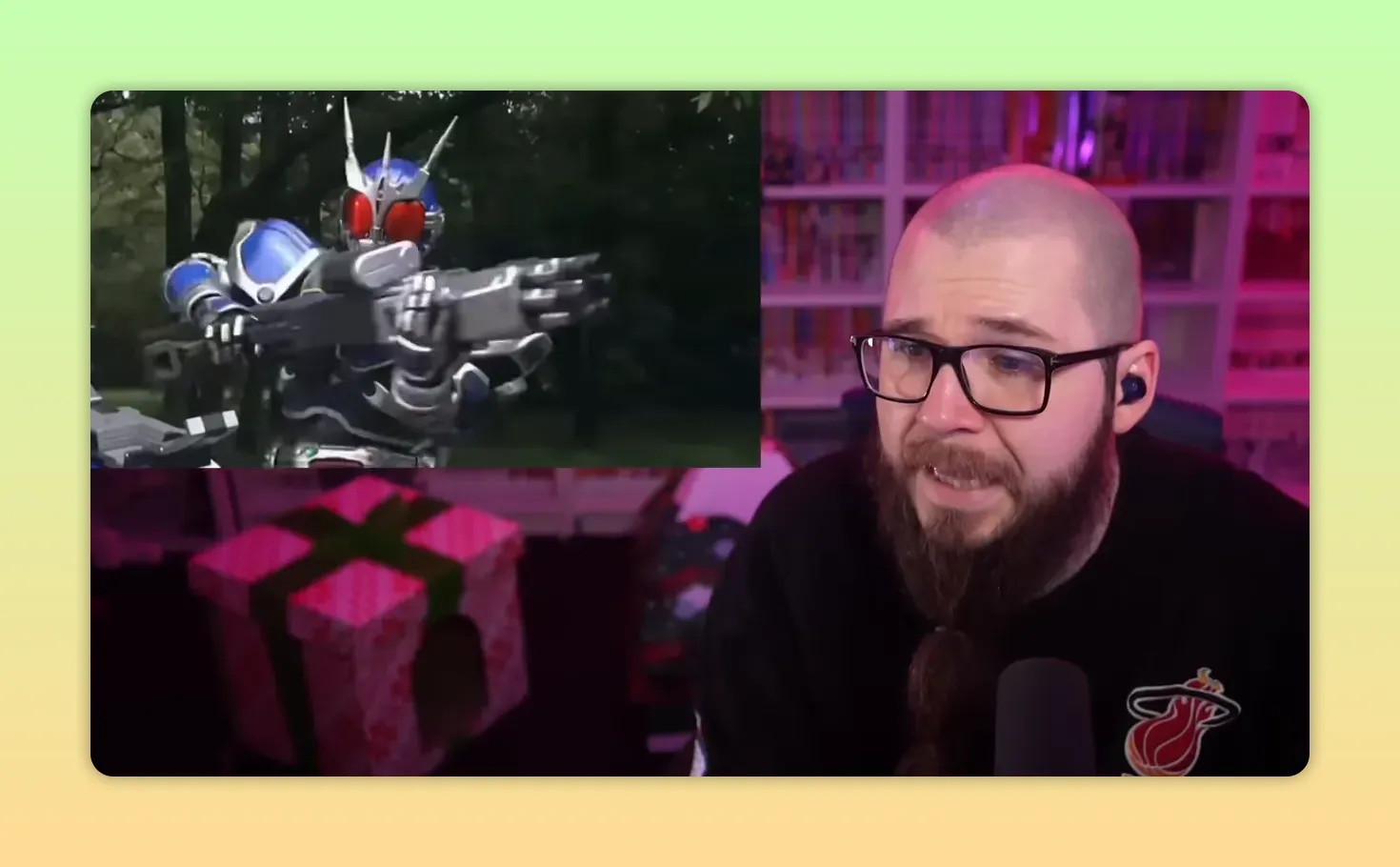
The image above highlights how a bulky weapon or prominent shoulder piece transforms a silhouette. That single swap instantly reads as more imposing and foregrounds the character’s new role. When talking about anime themes explained, it is this silhouette-first approach that most reliably translates visual intent into emotional impact.
Color elevation: why white and gold feel like ascension
Color change is one of the most commonly used shorthand tools in genre design. A palette shift to white, gold, or luminous tones signals a promotion from mortal struggle to transcendent purpose. The move from darker base colors to white-and-gold final forms reads across cultures as purification, divinity, and climax. That is a staple of anime themes explained.
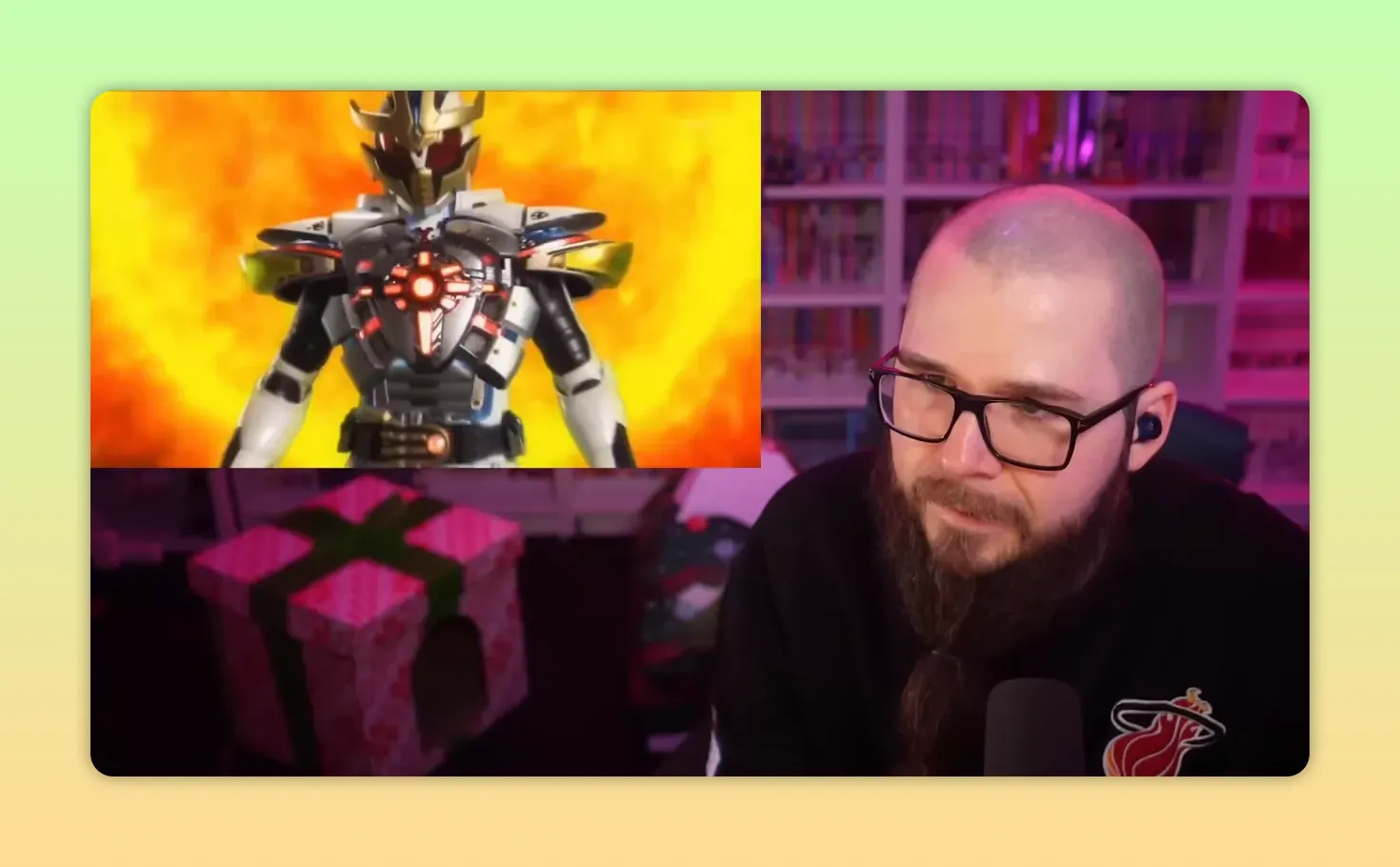
This screenshot shows how white and gold can make a character seem simultaneously regal and pure. Designers use reflective materials, warm highlights, and a central emblem to reinforce that idea. The emblem at the chest often acts like a focal point—an arc reactor or sun motif that anchors the new power thematically and visually.
- Gold denotes prestige and amplification of power.
- White registers as cleansing or rebirth.
- Blue accents introduce control and calm, balancing the fiery implications of gold.
Motifs that repeat: animals, elements, and mythology
When anime themes explained are examined across multiple final forms, a handful of motifs emerge repeatedly: animal associations, elemental alignments, and mythological references. These motifs deliver emotional shorthand and give each transformation a narrative hook.
Animal iconography
Animals stand in for instinctual traits: wolves for loyalty and ferocity, birds for freedom and vision, bats for nocturnal cunning. A mane, muzzle-like helmet, or tail can change perception instantly. The wolf motif, especially in forms that use white and icy tones, signals a lone protector or a spirit guide, tying into older myths about guardian beasts.
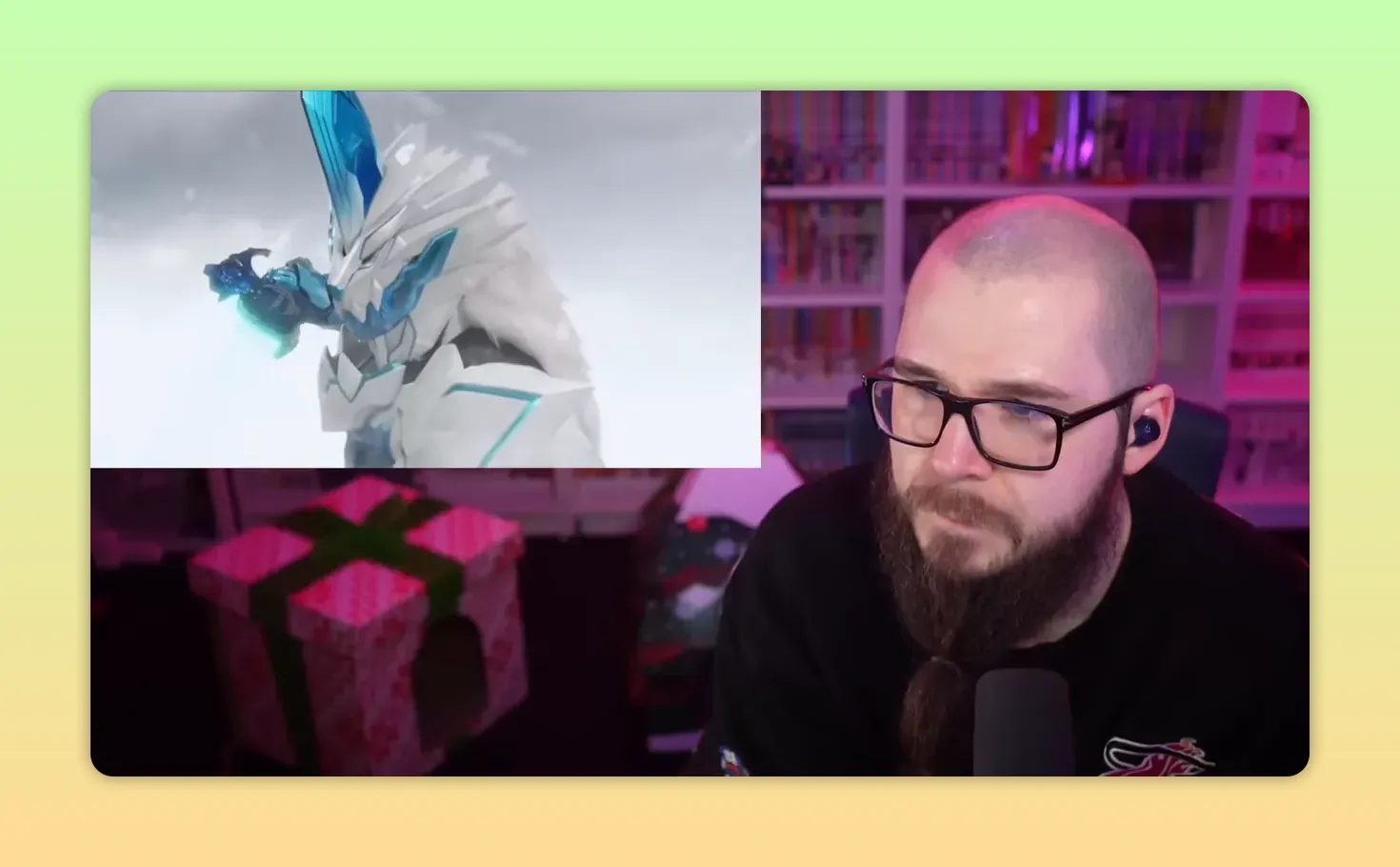
The wolf-like upgrade shown above pairs a mane with sharp armor plates to evoke both myth and physicality. When decoding anime themes explained, the animal motif acts as a direct shorthand for character attributes, letting audiences map behavior to design instantly.
Elemental alignments
Elemental motifs—ice, fire, lightning—translate into both visual effects and choreography. Ice forms often use crystalline spikes, cool blues, and slashing motions to mirror brittle beauty and precision. Fire forms favor flowing capes, jagged red highlights, and sweeping attacks. These choices are staples of anime themes explained because they connect action language to elemental physics audiences already understand.
Mythical and mechanical blends
Many final forms blend myth with machine: a unicorn horn becomes a power conduit, or a phoenix motif becomes a combustion engine. That hybridization delivers both ancient resonance and modern technical plausibility, a pattern central to anime themes explained where the past and future collide in design.
Finishers as punctuation: rhythm, framing, and stakes
Finishers are not random displays of power; they are punctuation marks. The choreography, camera angles, and sound design of a finisher conclude a scene emotionally the way punctuation concludes a sentence. In genre terms, the finisher needs to do three things: feel inevitable, look decisive, and land with a visual motif that reinforces the form. Viewed in the context of anime themes explained, finishers are where narrative and spectacle meet.
Three finisher patterns occur most frequently:
- Direct impact finishes: a running or slashing move that drives through an opponent, signaling dominance.
- Concentrated energy releases: convergence into a single beam, ball, or explosion that focuses the form’s thematic element.
- Combining attacks: multiple allies, forms, or summoned motifs hit in sequence to emphasize unity or legacy.
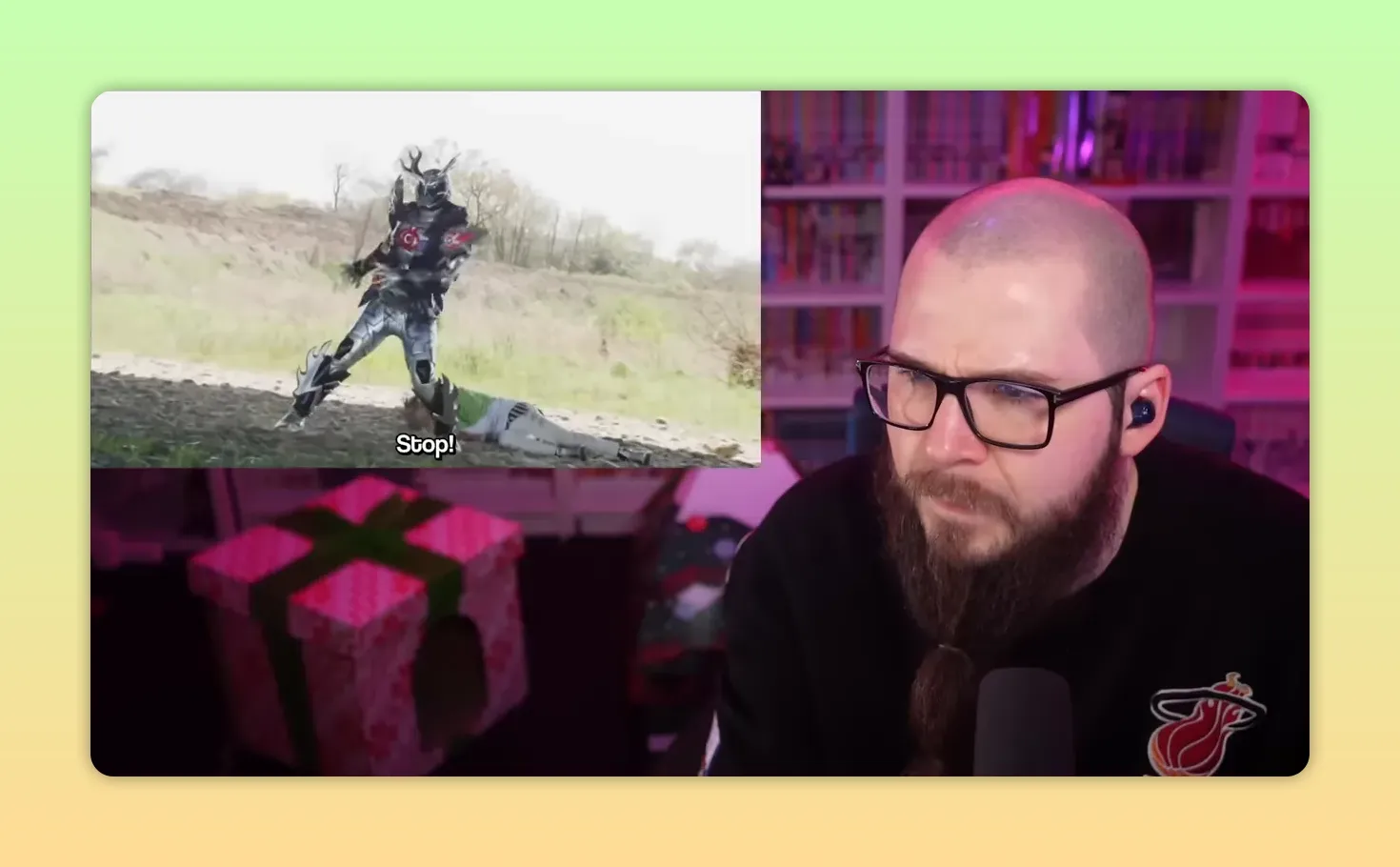
The screenshot above captures a run-through finisher. This kind of move feels immediate and brutal. It reads as a physical embodiment of persistence and momentum. When studying anime themes explained, this kind of finisher shows how movement vocabulary interacts with costume to sell finality.
Layered finishers: transitions and surprise
Many secondary riders receive layered finishers—small prelude attacks that lead to a decisive blow. These moments can feature a call-and-response with the camera, an initial trap or immobilization, and then a final strike that visually completes a motif (for instance, turning the trapped foe into shards of ice if the form is ice-themed).
Layered finishers make the scene cinematic and let the audience appreciate both choreography and special effects. They are a key subject when explaining how anime themes explained operate in practice: finishing sequences are not just flash, they are storytelling beats executed visually.
Borrowed items and legacy storytelling
One of the most poignant uses of costume design is in legacy elements: using a dead friend’s item, combining forms, or borrowing motifs from a mentor. That design choice conveys grief, responsibility, and continuity without a montage. It is an elegant tool found repeatedly when discussing anime themes explained.
For example, a rider who uses a fallen ally’s transformation device will often have colors or texture cues borrowed from that ally. The borrowed item becomes a narrative prop in the same way a prop sword would be. Design-wise, it clarifies alliance and stakes: the rider fights not just for himself but for the memory or mission of someone else.
When complexity works and when it overwhelms
Complexity can be beautiful, but it must be purposeful. Overly busy final forms with too many small elements can lose the eye. The rule of thumb is clarity at distance and richness up close. Anime themes explained teaches that complexity should reward proximity: when viewers zoom in, new glyphs and motifs should reveal themselves, but the silhouette must still read from far away.
Successful complex designs follow these principles:
- One dominant shape anchors the design (cape, mane, staff).
- Secondary elements add texture without breaking the silhouette.
- Color hierarchy prevents visual muddle: primary, secondary, and highlight colors should be clear.
Fan-facing effects and the role of the compilator
Compilation presentations can unintentionally reveal what fans love most. When multiple transformations are included for a single rider, it often signals popularity. That has two effects: it validates the chosen design and it can create expectations for narrative focus. Discussions of anime themes explained should account for how distribution and remixing affect design reception; a form that shows up repeatedly in highlight reels becomes emblematic of a character whether or not it was central to the original arc.
Design language examples and practical breakdowns
Below are focused breakdowns of common secondary rider choices mapped to their narrative implications. These examples are practical ways to read form and finisher as story elements using anime themes explained principles.
1. The cape upgrade
Visual language: A cape changes posture, adds motion, and creates dramatic frames for aerial or sweeping attacks.
Narrative implications: Authority, theatricality, and a shift from reactive to proactive action. Capes are often given when a character takes on leadership or embraces destiny, which ties directly into how anime themes explained marks stage changes in a character’s arc.
2. The white-and-gold ascension
Visual language: High-contrast, reflective materials, a central chest emblem, and often a warming light source.
Narrative implications: Purification, rebirth, or unlocking latent power. The chest emblem can act as both a power source and a religious or mythological symbol. This pattern is a classic example in the study of anime themes explained, as color and emblem do most of the storytelling.
3. Animal motif with elemental twist
Visual language: A mane, tail, or muzzle integrated with spikes or crystalline elements tied to an element like ice or fire.
Narrative implications: An animal motif wrapped in an element amplifies a character’s primal quality with a specific power. A wolf with ice suggests controlled ferocity and ritualized hunts, while a phoenix with flames suggests cyclical renewal. These are textbook entries for anime themes explained.
4. Legacy item integration
Visual language: A shared color accent or physical object (a gauntlet, pendant, or transformation device) embedded into the new form.
Narrative implications: Grief, obligation, and continuity. This choice signals that the character’s power is bound to memory and responsibility, a theme that shows up frequently in analyses under the umbrella of anime themes explained.
Choreography lessons: how finishers sell emotion
Choreography is the grammar of movement. The difference between a finisher that lands and one that fizzles is the pacing and camera grammar. Finishers that succeed in communicating narrative do three things well:
- They set up expectation with a pre-finisher action.
- They delay gratification long enough to create tension.
- They deliver a payoff that mirrors the character’s thematic element.
For example, a finisher that begins with immobilization and ends with a focused beam aligns perfectly with an ice-themed final form: immobilize, then shatter. That pattern is a reliable lesson when translating anime themes explained into choreography notes for creators.
How secondary riders can outshine leads
Secondary riders often have more creative latitude. Without the burden of anchoring a full season, their final forms can experiment with extremes—overly ornate helmets, multiple weapon attachments, or fused forms with other riders. When those experiments succeed, they can outshine the lead because they are concentrated statements rather than serialized arcs.
Recognition of this trend is part of a fuller study of anime themes explained: secondary characters become laboratories for design and for introducing motifs that later become staples.
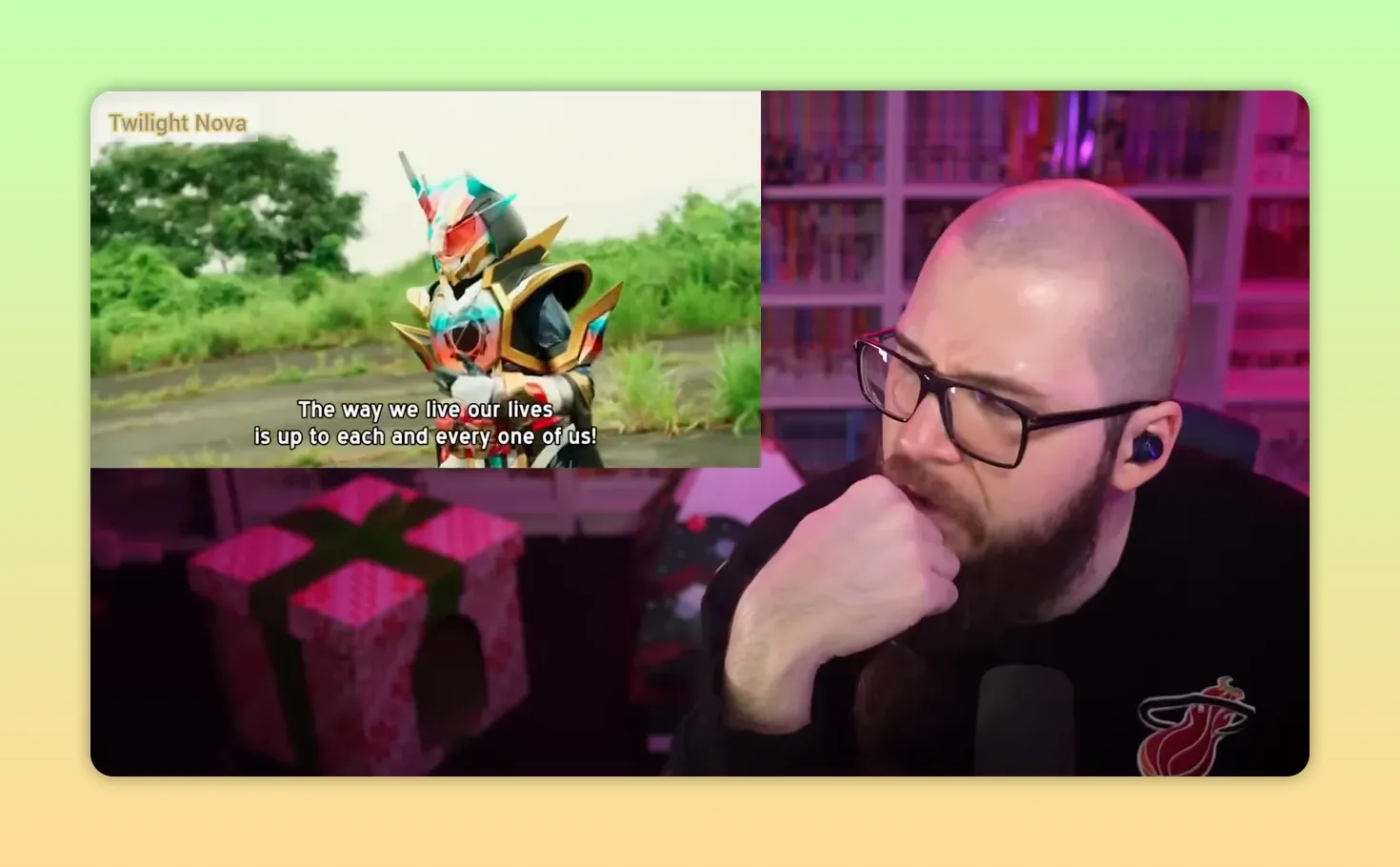
The image above shows a multilayered color approach for a female form that mixes pinks, cyans, and jewel-toned highlights. This design demonstrates how careful color balancing prevents overload. The form is bulky but still elegant—a textbook case of controlled excess that the phrase anime themes explained helps to decode.
Practical design guide for creators: applying anime themes explained
Designers and writers can use these practical rules to craft final forms and finishers that feel meaningful rather than arbitrary. The following action items summarize how to apply the methods discussed.
- Start with a carrier shape: a cape, crest, or mane that establishes silhouette instantly.
- Pick a dominant motif: animal, element, or mythic symbol that reflects the character arc.
- Create a color hierarchy: primary, secondary, and highlights to support readability at any scale.
- Design the finisher as narrative payoff: a move that uses the motif’s logic to resolve conflict.
- Use legacy items to tell backstory visually: a borrowed device or color accent carries emotional weight.
- Limit complexity in silhouette; add complexity in texture and close-up details only.
Following these steps implements the core lessons of anime themes explained in a way that yields cohesive, emotionally resonant final forms.
Choosing a series to start with: a viewer’s roadmap
For newcomers hoping to experience these storytelling tools in action, it helps to pick a series with strong design consistency. Consider series that emphasize transformation as narrative milestones and that give meaningful screen time to secondary riders. Look for:
- Clear color symbolism in uniforms and transformations.
- Secondary riders who receive multiple upgrades or are explicitly tied to lead characters via legacy items.
- Choreography that uses finishers to resolve plot beats rather than solely for spectacle.
When determining which series will resonate most, weigh whether you want mythology-heavy stories, tech-focused arcs, or human-drama-driven upgrades. The right match makes the principles behind anime themes explained easier to appreciate and analyze.
Myths, mechanics, and merchandising: why final form design matters beyond story
Designers also consider toyability and merchandising. A form with removable parts, a clear emblem, and a unique weapon will translate to collectibles more naturally. That reality shapes design choices: some elements are chosen because they photograph well, slot into action figure lines, or become iconic emblems that fans identify with.
This commercial angle does not diminish narrative value. Instead, it often reinforces it. A well-placed emblem or signature weapon can anchor both the story and the marketplace—another way that anime themes explained completes the loop between art and audience.
When a finisher needs to be more than spectacle
Finishers should always feel earned. If an upgrade arrives without stakes, the finisher risks feeling like a cheap fireworks show. To avoid that trap, a finisher should:
- Resolve a personal stake for the rider—revenge, protection, survival.
- Reinforce the motif—ice shattering, wings unfurling, a crest emitting light.
- Leave a visible aftermath that shows cost or transformation.
These rules ensure the finisher contributes to character development rather than merely serving as spectacle.
Common pitfalls and how to avoid them
Even experienced teams fall into a few predictable traps when designing final forms and finishers. Awareness of these pitfalls allows for better decisions.
- Overwhelming ornamentation. Fix by simplifying silhouette and reinforcing a color hierarchy.
- Motif dilution. Fix by committing to one dominant motif rather than three competing ones.
- Finisher mismatch. Fix by ensuring the finisher’s choreography uses the same logic as the form’s motif.
Keeping these corrective actions in mind helps the work remain coherent both visually and narratively—exactly the kind of insight anime themes explained aims to provide.
Examples that illustrate the principles
A few illustrative choices repeat across successful final forms. Each example below ties a design choice to its narrative payoff and references the larger practice of anime themes explained.
- Run-through finishes: Effective when the character’s arc is momentum-driven—proving they cannot be stopped.
- Convergence beams: Best when the final form represents synthesis, like merging multiple sources of power.
- Legacy fusion: When a rider absorbs a lost friend’s device it visually equates the new power with memory.
- Animal-element combos: Provide immediate thematic richness; wolf+ice or phoenix+flame are archetypal combos.
A brief creative worksheet: apply anime themes explained
Use this quick worksheet to prototype a final form concept. It follows the logic of anime themes explained and helps maintain clarity during iteration.
- Name the character’s emotional pivot (revenge, protection, redemption).
- Choose a dominant motif (animal, element, mythic symbol).
- Pick a silhouette anchor (cape, crest, mane, staff).
- Select primary/secondary/highlight colors.
- Design a finisher that uses the motif to resolve the pivot.
- Decide whether a legacy item appears and how it alters color or shape.
Working through these steps produces a concept anchored in narrative function, not only aesthetics—precisely why anime themes explained is a useful framework for creators.
What creators can learn from secondary riders
Secondary riders are laboratories for risk. They demonstrate that smaller narrative investments can yield iconic visuals. Designers and writers can borrow these lessons:
- Be bold with silhouette changes—a single new cape or crest can sell an upgrade.
- Use color elevation sparingly; white and gold should feel earned.
- Make finishers narratively consequential; they should answer a barrier the character faced earlier.
- Leverage legacy items to compress backstory into design.
These practical rules are a direct outgrowth of studying anime themes explained across successful final forms.
Keeping designs fresh while honoring genre expectations
Designers must balance novelty and familiarity. Fans want innovation but also recognizable emotional beats. The best final forms twist expectations—adding an unusual emblem, an unexpected color swap, or a finisher that resolves in a surprising but logical way. These choices keep the genre alive because they respect the core rules of anime themes explained while bending them creatively.
Further reading and study suggestions
For those who want to analyze more examples, compare final forms across eras. Note which motifs persist and which fade. Pay attention to:
- How color palettes evolve with production technology.
- How merchandising needs shape design details.
- How storytelling priorities—mythic vs personal—change finisher styles.
Engaging with these variations deepens understanding of anime themes explained and builds a visual vocabulary for creators and critics alike.
What is the difference between a base form and a final form?
A base form establishes the character's default traits and limitations. A final form elevates those traits, usually after a significant narrative development. Final forms change silhouette, color hierarchy, or add a motif that signals the character's new role or power.
Why do designers use white and gold for ascension forms?
White suggests rebirth and purity while gold implies prestige and amplified power. Together they create a visual signifier of elevation. This color combination is a common element when explaining cool-down and payoff in the study of anime themes explained.
How should a finisher reflect a rider’s narrative arc?
A finisher should resolve a thematic or emotional tension present in the arc: immobilization then shatter for revenge, fusion beams for synthesis, or a run-through for unstoppable momentum. Choreography should follow the logic of the form’s motif.
Can secondary riders be as narratively important as leads?
Yes. Secondary riders often embody concentrated themes and can crystallize an emotional beat in a single upgrade or finisher, which sometimes resonates more strongly than prolonged lead arcs.
What practical steps help a designer avoid overcomplication?
Prioritize a clear silhouette, limit primary color shifts, and reserve intricate details for close-ups. Make sure any added element supports the dominant motif rather than competing with it.
How do legacy items function in design?
Legacy items compress story into a visual cue. Integrating a fallen ally's device or emblem into a final form conveys responsibility, grief, or continuity without dialogue and often elevates the emotional stakes of the finisher.
A final note on practice and appreciation
Understanding the mechanics behind final forms and finishers enriches both creation and appreciation. The patterns described above—what anime themes explained points to—help one see beyond surface spectacle to the choices that make a design communicative and meaningful.
Creators can use these rules as starting points, not rigid prescriptions. The art is in knowing which rule to bend. For readers who want to apply these lessons, the worksheet and practical rules offer immediate exercises to test concepts in design sketches or fight choreography. The reward is visible: final forms that do more than look good; they say something about who a character is and why they fight.
Design remains a conversation between maker and audience. When the language of motif, color, and motion is clear, the conversation becomes immediate and powerful. That clarity is the heart of why anime themes explained matters for final forms and finishers alike.
This article was created from the video FIRST TIME Watching Every Secondary Kamen Rider FINAL HENSHIN & FINISHER! with the help of AI.
Anime themes explained: Decoding the Heart of "Supernova" and What Makes an Opening Stick
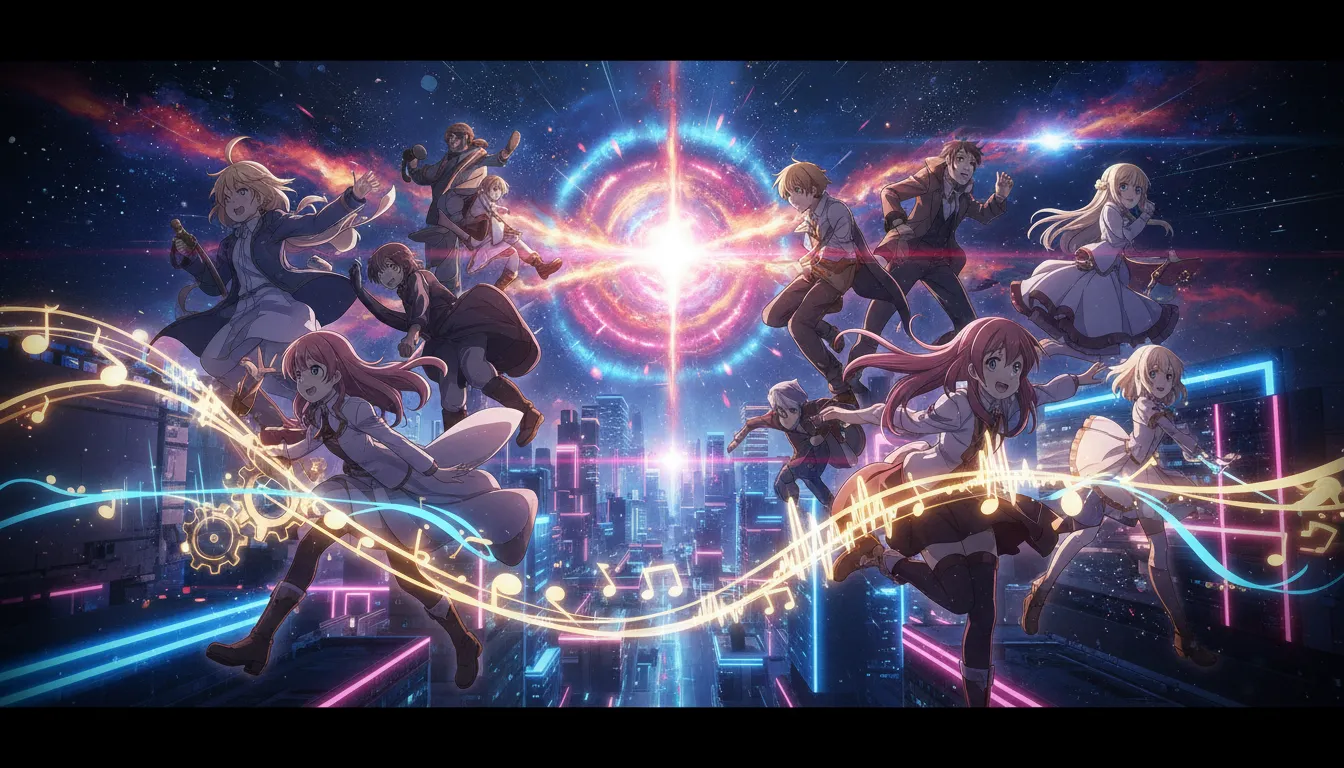
Why Anime themes explained matter
Anime themes explained is more than a phrase. It is a way to approach storytelling compressed into one-and-a-half minutes of music, image, and rhythm. Openings are the gateway between expectation and emotion. They set tone, introduce motifs, and promise an experience. When Anime themes explained are done well, they transform brief musical sequences into a lasting cultural shorthand for a series' identity.
We focus on how a single opening can carry narrative weight, character hints, and thematic resonance. Anime themes explained clarifies why certain songs feel inevitable for their shows and how visual choices work hand in hand with lyrics to sharpen meaning. This exploration uses a contemporary pop-anthem style opening as a case study, showing how heroism, spectacle, and intimacy coexist inside an energetic track.
What an opening has to accomplish
An opening theme faces a short checklist. It must introduce mood, provide memorable melodic hooks, and signal stakes. It also needs to give the audience emotional footholds: who matters, what the world looks like, and what kind of journey is beginning. Anime themes explained often highlight this dual task of spectacle and storytelling.
There are practical reasons for these demands. An opening has promotional function. It must be catchy for repeat listens. It must be evocative enough to stick in playlists. And on the storytelling side, it has to telegraph character dynamics and core conflicts in snippets of image and lyric. When people think of series identity, it is often the opening they remember—this is why Anime themes explained treats openings as compressed narrative engines.
Case study: a modern anthem about heroes and performance
Consider a co-ed pop group who are heroes in disguise, turning audience energy into combat power. That setup is both literal and metaphorical. It blends the tropes of idol culture and hero narratives. The opening under study rides this blend. The lyrics use explosive imagery—dawn light, calling voices, and references to becoming stronger—while the arrangement drives forward with pulsing beats and anthemic choruses.
When Anime themes explained uses this opening as an example, the focus is on three overlapping ideas: identity, conversion, and promise. Identity emerges through the performers and their dual life as artists and fighters. Conversion appears as a mechanic: performance energy becomes strength. Promise is the forward motion of the chorus. Each element is conveyed through short lyrical hooks and visual cues that reinforce one another.
Lyrics as symbolic shorthand
Lyrics operate on two levels: literal and symbolic. A line about a "calling from deep in a hot chest" works as an emotional image and as a symbol for destiny. Language like "I'll take you to the eco-bus ahead" reads oddly when translated literally, but the phrasing functions as futuristic travel toward a mission. Anime themes explained shows how lyrics that might seem abstract when isolated make sense against the show's worldbuilding.
熱い胸の奥から聞こえるコーリング
That line is a compact emotional flash. It announces an interior longing and a summons to action. When Anime themes explained examines such lines, it treats them as hooks that invite viewers to align with the characters' desire. Crisp vocal deliveries amplify these hooks, turning seemingly minor phrases into anthem-worthy refrains.
Hook, chorus, and repetition
Catchiness is engineered through repetition and contrast. The chorus offers the musical payoff: a melodically simple, emotionally broad phrase that is easy to sing along with. The arrangement layers harmonies and pushes dynamics at the chorus, making the sequence feel like a moment of collective uplift—mirroring the narrative idea of converting audience energy into power.
When Anime themes explained breaks down structure, it finds a predictable pattern: verse sets mood, pre-chorus builds tension, chorus rewards the buildup, and a bridge reframes stakes. This structure is compact but effective for storytelling. The small arc inside the opening echoes the larger series arc: progress, challenge, reinvigoration.
Visual language: how imagery and motion tell the story
Visuals are where themes both clarify and disguise story mechanics. Performers onstage, light flares, dawn imagery, and hero poses all communicate identity without exposition. Costume choices hint at powers and allegiances. Camera movement—close-ups for intimacy, wide shots for spectacle—signals where emotional emphasis should land. Anime themes explained pays special attention to how visual rhythm matches musical rhythm.
Quick cuts during drum fills, lingering wide shots on key symbols, and overlayed animation effects can indicate when the opening wants the audience to latch onto a motif. An opening that ties a visual motif (for example, a red flare or a shining emblem) to a lyrical line creates associative memory. The next time that motif appears in the story, the audience is already primed. This is the functional power behind deliberate design choices.
Layered reading: fan-level and narrative-level cues
Good openings reward different types of attention. Casual viewers gain mood and melody. Fans notice callbacks and subtle references—a character’s silhouette that hints at hidden power, a color palette shift that foreshadows conflict. Anime themes explained argues that the best openings operate simultaneously on both levels.
This layering builds investment. A single refractory image—like a performer clutching a microphone while a faint halo of light appears—works as a visually simple moment that later becomes meaningful when the same gesture recurs in a critical scene. Fans begin to decode and predict, which deepens engagement.
Themes inside the song itself: becoming, protection, and love as power
At the lyrical core are three themes: becoming stronger, the mission to protect, and love framed as transformative power. Lines about guarding the world or about being called to the dawn fuse youthful idealism with grand stakes. Anime themes explained reads these as classic anime motifs updated for contemporary pop sensibilities.
Becoming stronger is expressed as both a personal arc and a collective effect. The performers sing as individuals, but the chorus implies a communal uplift. This is aligned with the premise where audience energy feeds combat effectiveness. Protection is framed not as duty alone but as something energized by connection. Love is not just romantic; it is an empowering force—the kind that catalyzes supernatural effects.
強くなれる 君といるだけで
That lyric places connection at the heart of strength. When Anime themes explained highlights such lines, it treats them as thematic fulcrums that align the emotional stakes of episodes with the musical arc of the opening.
Why "love as power" resonates in modern openings
Love-as-power is a trope that reframes vulnerability as strength. In contemporary discourse, expressing emotion is often framed as courageous. The opening uses this to make its heroes accessible. Instead of being purely stoic defenders, they are people whose bonds fuel their ability to act. Anime themes explained shows that this approach broadens appeal: audiences who value emotional honesty connect more readily to heroes who are relational.
Musical choices that amplify narrative function
Production elements matter. A bright synth pad can suggest futuristic tech, while acoustic guitar gives intimacy. Percussive accents create urgency. Vocal production—double-tracking, harmonies, and call-and-response—creates a sense of crowd and camaraderie. Anime themes explained tracks how specific production choices map to narrative intention.
For example, an opening that wants to emphasize spectacle will lean into a wide stereo image and reverb-heavy vocals to sound larger than life. An opening that seeks intimacy will pull elements closer to the foreground with dry, present vocals and sparse accompaniment. The opening in focus balances both: big choruses for spectacle, intimate verses for emotional grounding. This balance reflects the show's dual nature—performers as entertainers and protectors.
Vocal arrangement and group dynamics
A co-ed group allows for conversational vocal arrangements. Male and female lines can alternate to suggest dialogue between characters or to mirror thematic duality: strength and tenderness, leader and supporter. Anime themes explained points to alternating lead lines and harmonized choruses as a way to dramatize relationship dynamics inside three musical minutes.
Harmonies often carry subtext. A unison line can signal unity; a tight harmony can imply shared purpose. Even brief call-and-response motifs suggest mentorship or mutual challenge. These micro-dramas occur within the music but mirror on-screen relationships.
How motifs become narrative anchors
Recurrent motifs—both musical and visual—act like anchors that the main story can tug on. A leitmotif tied to a character or an emblem will deepen each recurrence's emotional impact. When an opening's hook returns during a climactic scene, the audience experiences a cohesion between theme and payoff. Anime themes explained emphasizes how strategic motif placement can create satisfying echoes across a series.
- Melodic hooks that reappear in critical scenes strengthen emotional continuity.
- Visual symbols repeated in the opening and episodes build associative meaning.
- Rhythmic motifs tied to particular action styles make fights feel consistent across scales.
Anchors also help when the story evolves. If a character’s motif changes from major to minor mode, it signals emotional change. Anime themes explained treats these shifts as shorthand for character development without needing exposition.
Breaking down a bridge moment
The bridge in an opening often reframes everything that came before. It strips back texture or launches a contrasting passage to heighten the final chorus. In openings where the performers become heroes through connection, the bridge might feature whispered lines, a vocal solo, or a cinematic pause that makes the final chorus feel triumphant. Anime themes explained highlights the bridge as a narrative pivot point.
Applying these ideas beyond one song
Understanding how an opening works has practical value for creatives and analysts. Writers can learn how to condense character promise into short forms. Musicians can see how lyrical hooks pair with visual motifs. Marketers can design campaigns that replicate the opening's pattern of emotional engagement. Anime themes explained gives a toolkit for turning an opening into a predictive model for storytelling.
Use the following checklist when crafting or evaluating an opening:
- Identify the emotional core. Is it courage, love, revenge, hope, or something else?
- Map visual motifs to narrative beats. Does a color or object recur in key scenes?
- Assess musical structure. Where is tension built and released?
- Check vocal arrangement. Does it reflect character relationships?
- Ensure motifs can evolve. Can the main hook be reharmonized later to indicate growth?
Applying this checklist is a direct way to practice Anime themes explained methodologies. It turns passive appreciation into active craft.
How to read ambiguous phrases and translation quirks
Openings often feature lines that sound oddly poetic when translated. Literal translations can feel like fragments. That is intentional. Ambiguity creates space for audience imagination. In many cases, a phrase that reads as cryptic in English is functioning as an emotional signpost in Japanese or the original language. Anime themes explained encourages readers to prioritize feeling and image over literal fidelity when interpreting such lines.
For example, references to "dawn light" or "calling voices" may be less about setting and more about state of mind. An "eco-bus ahead" may read like a nonsensical object but can symbolize forward movement or a bridge to a new world. These images operate poetically within the opening’s economy of expression.
Practical tips for translating meaning
- Look at where the line appears musically. Is it during a buildup or release? That placement tells you whether it is a rhetorical climax or a connective line.
- Cross-reference with visuals. If the phrase shows up alongside an emblem or location, treat it as worldbuilding shorthand.
- Consider cultural metaphors. Some images resonate differently across cultures; research common metaphors for clearer understanding.
These tools make it easier to interpret lines that resist literal translation and to appreciate them as structured emotional cues.
How openings shape fan communities and rituals
Openings are ritualistic. Fans sing them together, create covers, and stage dances. That communal practice is not incidental. It mirrors the opening's theme when the track is about converting audience energy into something larger. Fans' participation completes the opening’s promise: community energy becomes a visible, audible force. Anime themes explained looks at openings as social objects that invite collaboration.
Community rituals also extend the opening's life cycle. Memes, remixes, and live performance recordings keep the song relevant beyond broadcast windows. The opening becomes an artifact fans use to communicate identity and belonging. When the opening speaks about connection and power, fan practices often literalize that sentiment.
From opening to performance: the real-world loop
A particularly potent opening closes the loop between diegetic performance (performers onstage inside the story) and non-diegetic performance (real-world concerts). The track studied here explicitly blurs those boundaries. As a result, in-universe concerts feel plausible and the real-world concerts feel mythic. Anime themes explained explores this feedback loop and why it deepens audience investment.
Lessons for creators
Creators can learn from openings how to condense narrative promise and design motifs that repay repeated attention. This is less about copying formulas and more about clarity of intention. Decide the core emotional move and then tune music, lyric, and visual to support it. Anime themes explained boils this down to three actionable directives:
- Prioritize a single emotional spine — choose one central feeling and let every element support it.
- Design motifs with versatility — ensure hooks can be reharmonized or recontextualized across the series.
- Balance spectacle and intimacy — alternate wide gestures with close moments to maintain human connection.
These directives help creators avoid two common mistakes. First, overstuffing the opening with too many competing motives. Second, making an opening so polished that it feels disconnected from the show's intimate moments. The best openings feel inevitable to the story they precede.
Using the opening as a classroom for narrative economy
Writers and educators can use openings as micro-lessons in narrative economy. Teaching students to capture a story's promise in 90 seconds helps sharpen their ability to write concise, evocative prose. Anime themes explained supplies a model: identify stakes, choose one emotional spine, and then craft motifs that can live beyond that short form.
Assignments might include rewriting an opening in a different genre, extracting leitmotifs and applying them to a character study, or composing a short visual storyboard that aligns with a sonic hook. These exercises train the skill of compressing narrative into memorable elements.
Final reflections on resonance and longevity
Openings last when they achieve coherence between sound, image, and theme. The specific opening analyzed here works because it commits to its core idea: performers-as-heroes whose bonds power them. That commitment informs every production decision, from vocal arrangement to visual motifs. Anime themes explained recognizes that a successful opening is not simply catchy; it is coherent, repeatable, and generative.
When a theme song ties together emotional stakes and worldbuilding, it becomes a cultural touchstone. It invites participation, spawns fan interpretations, and provides a shorthand for a series' identity. Creators and analysts who study openings through this lens learn how to craft moments that resonate long after the first listen.
What does it mean when an opening mixes performance and battle imagery?
Mixing performance and battle imagery creates a metaphor where public attention is a resource. It suggests that emotional energy can be weaponized for good. This combination humanizes heroes by framing their power as relational rather than purely physical.
How should ambiguous lyrics be interpreted?
Ambiguous lyrics function as emotional signposts. Prioritize placement, musical context, and visual cues over literal translation. Often the intended meaning is to evoke a state of mind rather than describe a plot point.
Why are motifs important in openings?
Motifs create associative memory. They let the opening prime audiences for later narrative payoffs. When motifs recur in critical scenes, the emotional impact multiplies because the audience has been conditioned to recognize and respond to them.
How can creators design an opening that feels integrated with the series?
Start with one emotional spine and design all elements around it. Make sure musical hooks, lyrical themes, and visual motifs can be adapted and reprised across episodes. Aim for coherence rather than maximal spectacle.
What role do fans play in an opening’s success?
Fans turn openings into rituals. Their covers, dances, and remixes keep the music alive and deepen communal bonds. When an opening’s theme is about connection, fan participation fulfills the concept, giving the opening practical power.
Can an opening predict the series’ arc?
Openings often foreshadow themes and sometimes plot beats. They rarely provide literal spoilers but can hint at character relationships, stakes, and emotional arcs. Treat them as thematic blueprints more than plot outlines.
Practical exercise for applying Anime themes explained
Try this short exercise to practice what Anime themes explained teaches. Pick any opening and follow these steps:
- Identify the opening's emotional spine in one sentence.
- List three visual motifs and note where they recur in episodes.
- Transcribe the chorus and analyze its harmonic structure—what makes it catchy?
- Rewrite the chorus to emphasize a different emotion and imagine how the visuals would change.
Completing this exercise trains attention to the economy of openings and helps creators translate that economy to longer formats.
How to keep learning
Study openings across genres and eras. Compare how a mecha series uses rhythm and how a slice-of-life series uses intimacy. Pay attention to how cultural moments affect production choices. The phrase Anime themes explained is a reminder to look beyond surface catchiness and ask why a song and sequence were designed the way they were.
We recommend compiling a playlist of diverse openings, isolating their choruses, and tracking recurring motifs across multiple series. Over time, patterns emerge. Those patterns are the grammar of a particular storytelling tradition.
Parting note on creative intent
Openings are promises. They promise mood, they promise growth, and they promise a kind of shared experience. When creators and audiences align on that promise, the opening becomes more than a sequence: it becomes a contract of expectation. Anime themes explained shows how reading that contract carefully reveals a deeper architecture behind seemingly fleeting entertainment.
This article was created from the video SI-VIS: The Sound of Heroes Opening 2 | "Supernova" with the help of AI.
Anime themes explained: SI-VIS — "Singing Over" (The Sound of Heroes Ending 2)
Outline
- Key takeaways and why this ending matters
- Who SI-VIS are in-universe and how the song functions
- Lyric-by-lyric reading and thematic beats
- Musical arrangement and emotional architecture
- Visual symbolism tied to the ending sequence
- How this example fits into wider conversations on anime themes explained
- Practical listening tips and fan-facing ideas
- Frequently asked questions
Key takeaways
Anime themes explained often reveal more than a catchy melody. The ending "Singing Over" by SI-VIS compresses worldbuilding, character voice, and emotional release into a minute and a half. It uses repetitive vocal hooks and a bright melodic line to signal hope, persistence, and a dual identity: performers who are also protectors. The result is an ending theme that installs mood, teases plot, and invites repeat listens long after a single episode ends.
Why this ending matters in a landscape of anime themes explained
Ending themes frequently offer emotional closure, and this specific ending demonstrates how endings act as a bridge between episode tone and ongoing narrative. In discussions of Anime themes explained, endings are often the unsung workhorses: they translate complex story beats into a compact musical statement. "Singing Over" does that by leaning on repetition—both lyrically and melodically—to build recognition and to convert a live-concert conceit into an emotional payoff.
Anatomy of an ending: purpose and placement
Endings are not filler. When considering Anime themes explained, it helps to remember three roles an ending usually plays: mood closure, character perspective, and narrative foreshadowing. This ending supplies all three. The repeated vocal motif—particles of "me" and "ni" and the phrase "Sing about forever"—works as character shorthand, quickly signposting the group’s mindset: relentless, performance-driven, and oddly tender.
Who SI-VIS are and why that matters to anime themes explained
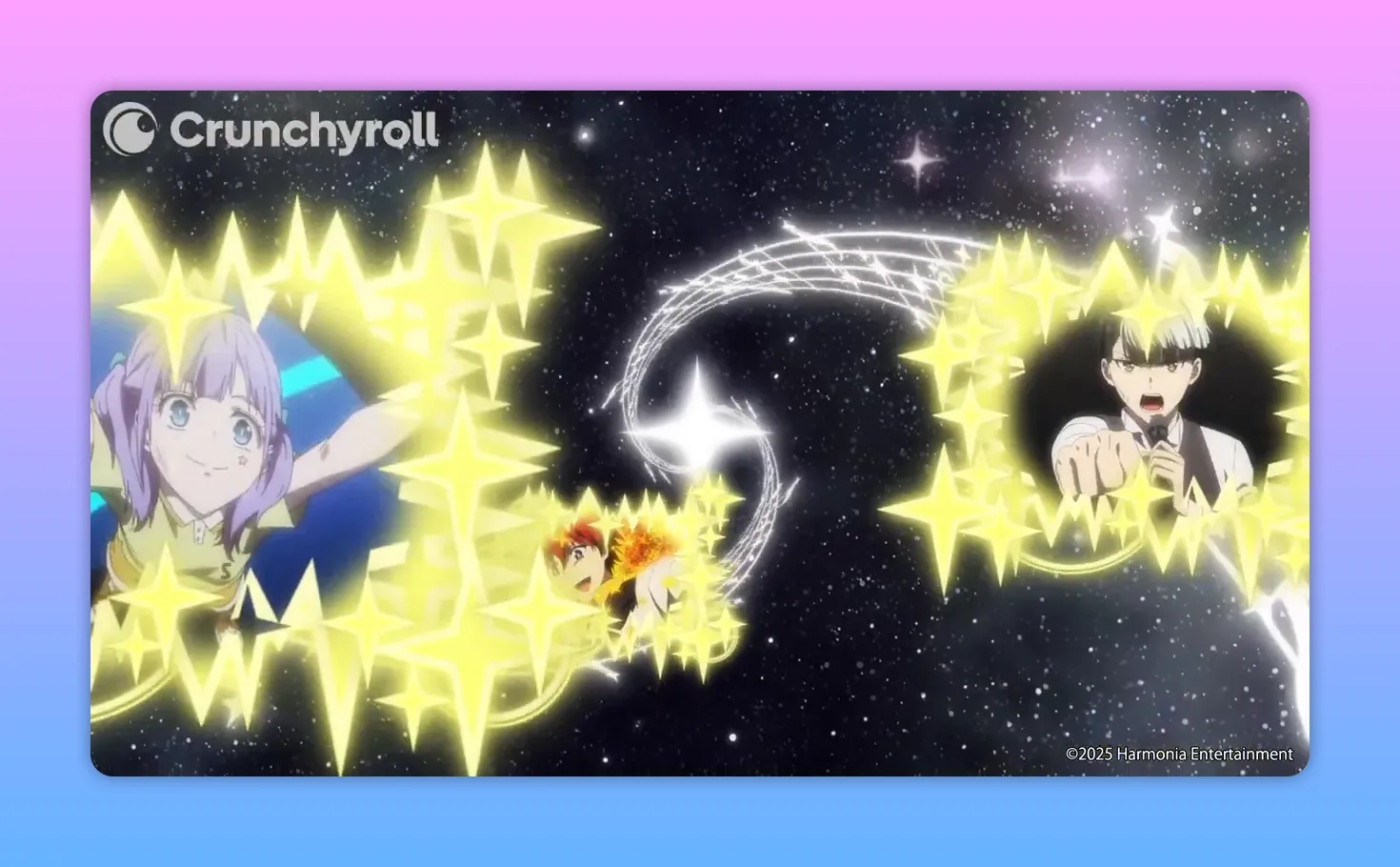
SI-VIS is a co-ed music group whose performances double as battles. That premise turns every song into a source of literal power. Within the framework of Anime themes explained, this is a neat meta trick: a theme song about singing that actually stands in for the power at play on-screen. The ending's compact lyrics and buoyant melody feel like an encore after a show that paid off emotionally and narratively.
The dual identity: performers and heroes
It is one thing to sing about forever; it is another to convert audience energy into combat power. The ending theme emphasizes that duality without spelling out every detail. For readers focused on Anime themes explained, this is a classic example of how music bridges the gap between spectacle and intimacy.
Lyric-by-lyric reading (short but dense)
Despite its brevity, the lyrics of "Singing Over" are deliberately spare. Sparse lyrics can be a feature, not a flaw, for those studying Anime themes explained. Each repeated syllable and short line creates rhythm and emphasis.
Opening repetitions: "me" and "ni"
The song begins with repeated syllables—"me" then "ni"—that function like a heartbeat. In discussions of Anime themes explained, these syllabic hooks often act as auditory logos. The voice becomes an instrument that announces identity without lexical meaning. It is a way of saying more through less.
"さあ息もつかずに響かせ"
This line translates roughly to a rush: "now let it ring without taking a breath." That breathless instruction mirrors live performance intensity and, when placed in conversations about Anime themes explained, demonstrates how endings mimic the energy of the central conceit. It suggests urgency, a refusal to pause, and a commitment to one continuous arc of action or feeling.
"僕の私の夢運動で"
Combining pronouns and the word for dream and motion, this fragment hints at inclusive ownership—"my, our dream in motion." For people interested in Anime themes explained, lines like this underline themes of collective effort and the transformation of wish into action. The ambiguity—mixing masculine and neutral pronouns—also fits the group's co-ed identity, offering a subtle nod to plurality.
"Sing about forever" and the closing "ラララ"
The English line "Sing about forever" functions as a distillation of intent: a commitment to endurance. In the context of Anime themes explained, such a line reframes the series' stakes as emotional longevity—protecting a future user through music. The "ラララ" coda is pure ear candy, an uncomplicated emotional release that keeps the tone buoyant as the credits roll.
Musical arrangement and emotional architecture
From an arrangement perspective, the song is compact and strategic. That economy of sound is worth highlighting when studying Anime themes explained. Few elements are needed: a vocal lead, layered backing vocals, light percussion, a rhythmic bassline, and sparkling synths to heighten the sense of uplift.
Why simplicity works
When examining Anime themes explained, simple arrangements often win because television schedules demand memorability. This ending follows that rule. The production favors clarity over complexity, ensuring that the hook lodges in the listener’s memory. Simplicity also enhances replay value; listeners are more likely to loop a short, catchy ending than a sprawling arrangement.
Vocal layering and group identity
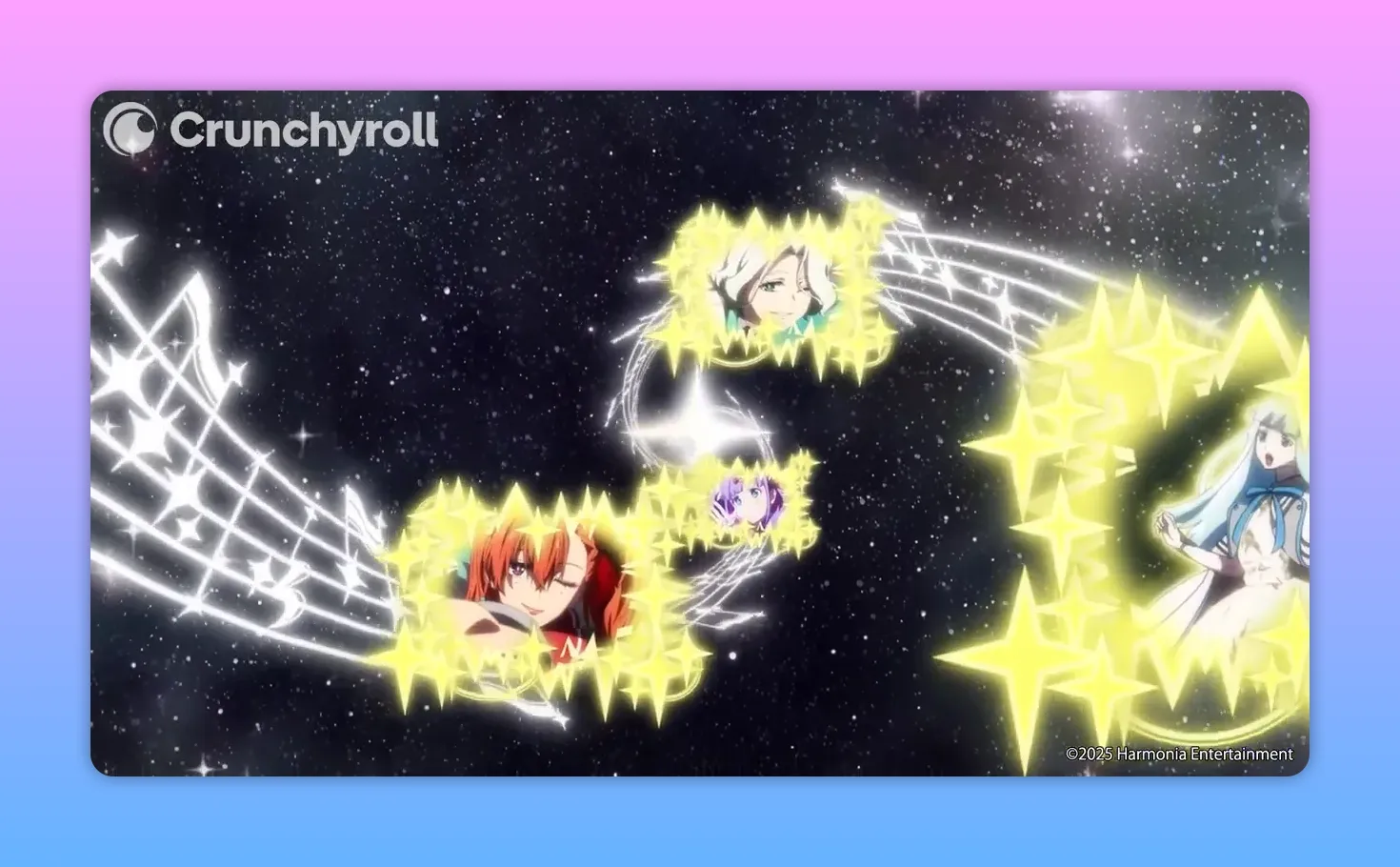
Vocal stacking—placing multiple voices in harmony—does more than add texture. In terms of Anime themes explained, harmonies symbolize unity. SI-VIS’s harmonies suggest that the group’s strength derives from cooperation. The arrangement treats individual voices as pieces of a whole, which mirrors the plot mechanism of converting crowd energy into power.
Visual symbolism in the ending sequence
Endings combine music and imagery to leave a lasting mood. In the context of Anime themes explained, visuals play a crucial role in expanding lyrical meaning. The sequence that accompanies "Singing Over" typically intersperses performance shots with symbolic motifs. These visual choices reinforce ideas about identity, secrecy, and transformation.
Performance as camouflage
Visuals show the band performing in staged, glittering settings. For critics of Anime themes explained, this is a clever narrative device: the spectacle functions as both entertainment and disguise. The camera often lingers on smiles and synchronized choreography, implying that what looks like a concert is actually strategic movement in an ongoing struggle. The ending makes that duality feel natural.
Close-ups and human detail
Close-up shots focus on breath, on lips forming the syllables "me" and "ni," and on hands gripping microphones. Those details, essential when studying Anime themes explained, remind the audience that even larger-than-life figures are human. The intimacy balances the spectacle, grounding the music in bodily effort and emotional stakes.
How endings like this function within the series
When exploring Anime themes explained, it helps to see the ending as part of the story engine. It reinforces characters' missions, offers tonal counterpoints to the episode's content, and sometimes pushes subtext into the open. "Singing Over" aligns with these functions by amplifying hope and concealing danger within melody.
Pacing and mood transition
Endings guide emotional pacing. After intense scenes, a bright ending can relieve tension; after lighter episodes, it can add layers that viewers might not have registered. For those studying Anime themes explained, "Singing Over" provides catharsis without softening the series' stakes. It preserves tension while celebrating resilience.
Long-term narrative hooks
Repetition breeds familiarity. In the long arc, hearing the same ending ties disparate episodes together. From a Anime themes explained perspective, recurring melodies function as mnemonic devices: they cue memory and emotion, making narrative callbacks more effective because the music already primes the audience.
Fan interpretations and what they can learn from anime themes explained
Fans often form elaborate readings from tiny lyrical fragments. With Anime themes explained in mind, that practice is useful: the most resilient themes invite multiple interpretations. The song's brevity and repetition become interpretive openings rather than limitations.
Common readings
- Performance as protection: The song is an act of defense, not just celebration.
- Collective dreams: The pronoun ambiguity invites shared ownership of aspiration.
- Breathless urgency: The "no-breath" line suggests a moment of brave, unswerving commitment.
Each reading is a valid contribution to the broader conversation around Anime themes explained. Fans add layers simply by listening closely and by connecting sound to story.
How this ending sits among memorable anime themes explained
In lists of notable ending songs, "Singing Over" might not be the most complex composition, but it demonstrates efficiency. For scholars and fans cataloging Anime themes explained, effectiveness matters more than complexity. The ending does exactly what it needs to: it stamps a feeling into the viewer’s memory and reinforces the narrative mechanics of a show where music literally matters.
What makes an ending memorable
- Immediate emotional clarity
- Melodic hook that repeats without growing stale
- Visual coherence between lyrics and imagery
- Connection to character and plot
This ending checks those boxes, which is why it is a solid case study in Anime themes explained.
Practical listening and appreciating tips
Understanding Anime themes explained becomes easier with active listening practices. Try these focused habits when approaching short endings like "Singing Over."
- Listen once for feeling: Don’t try to parse words; note how the song changes your mood.
- Listen again for words: Translate lines and consider how each fragment relates to the plot.
- Watch the sequence muted: Observe visuals without music to see what the imagery wants to convey.
- Then combine: Put music and image back together to notice how each amplifies the other.
These steps help anyone seeking practical examples of Anime themes explained to build a sharper taste and a more intentional listening practice.
How composers and directors use endings as narrative tools
Directors and composers collaborate to place motifs that serve the larger story. When studying Anime themes explained, it is instructive to note how small musical cues reappear in episode scores, or how lyrical fragments echo character lines. The ending's compact structure makes it a portable motif: it can be stretched into a battle theme or remixed into a quiet interlude depending on the scene’s needs.
Recycling motifs
A single melodic cell from an ending can become a leitmotif across episodes. That technique is a hallmark of advanced Anime themes explained: recycling melody helps unify disparate narrative moments and rewards attentive audiences with emotional recognition.
Practical ideas for fans and creators inspired by anime themes explained
When a theme song works, it invites participation. Here are creative directions inspired by studying Anime themes explained through "Singing Over."
- Create a short cover focusing on the repeated syllables. Stripping the song back reveals the hook.
- Make a mood playlist that pairs the ending with scenes from other shows that use breathless energy.
- Sketch a storyboard imagining an extended ending that explores the group's private lives between performances.
- Write a short piece about audience energy as an actual resource, inspired by the song’s premise.
Each activity is a hands-on way to deepen understanding of Anime themes explained and to explore the creative possibilities of ending music.
How to talk about endings without being reductive
Discussions of Anime themes explained risk reducing songs to "good" or "bad." A more constructive approach treats endings as cultural artifacts: they reflect production constraints, marketing goals, and narrative choices. "Singing Over" succeeds because it aligns production values with story needs, not because it aims to be a standalone pop hit.
Final thoughts on this kind of storytelling
Compact endings like "Singing Over" are powerful because they do a lot with very little. For anyone tracing patterns in Anime themes explained, the value is in noticing economy: how a short sequence can amplify mood, reveal character, and reinforce plot mechanics. These are the principles that make anime themes worth studying and enjoying.
Frequently asked questions
What role do ending themes play compared to opening themes?
Endings often serve emotional closure and reflection, while openings tend to set tone and ramp adrenaline. In studies of Anime themes explained, endings are recognized for their ability to distill an episode’s emotional residue into a melodic form that lingers after the narrative pause.
Why are lyrics sometimes so minimal in anime endings?
Minimal lyrics improve memorability and allow music to function as mood scaffolding. Across many examples in Anime themes explained, repetition and syllabic hooks make a piece easy to recall and sing along to, strengthening its role as a narrative anchor.
How can viewers learn to analyze anime themes themselves?
Begin with focused listening: note mood, lyrical fragments, and how visuals interact. Compare the ending with episode themes and recurring motifs. Practicing these steps builds fluency in Anime themes explained and makes future analyses more intuitive.
Do endings influence character perception?
Yes. Endings can emphasize traits like resilience or vulnerability by choosing specific musical colors and imagery. When studying Anime themes explained, observe how vocal timbre and visual focus highlight different facets of character.
Can an ending song be detached from the show and still work?
Some endings function as pop songs independent of their shows; others gain power only in context. For the purposes of Anime themes explained, both reactions are informative: a standalone hit shows commercial potential, while a context-dependent song underscores tight narrative integration.
Further listening and next steps
For those practicing Anime themes explained, catalog a few short endings and compare how they resolve episode emotions. Notice arrangements that prioritize vocal hooks, and identify ways visuals either reinforce or complicate lyrical meaning. The deeper the catalog, the richer the comparative insights.
Parting note
Endings like "Singing Over" are small studies in efficiency. They prove that a brief song and its matching visuals can carry narrative weight, make characters feel more real, and create a ritual for viewers to return to. For anyone engaged in Anime themes explained, the lesson is clear: pay attention to endings. They say more than they look like they can.
This article was created from the video SI-VIS: The Sound of Heroes Ending 2 | "Singing Over" with the help of AI.
Sponsor

