Anime themes explained can feel like a checklist of visual shorthand: capes mean authority, gold signals ascendance, and animals translate into instinct and myth. When those themes are applied to secondary Kamen Rider final forms and finishers they become storytelling tools as much as costume choices. This article breaks down how those stylistic choices operate, why certain motifs recur, and how finishers translate emotion into motion. We move from design language to practical lessons creators can use, while keeping anime themes explained front and center so the patterns become obvious and usable.
We will examine the language of silhouette, color, and choreography that secondary riders use to make a late-game transformation feel earned. The goal is not simply to catalog cool visuals but to name the patterns so they can be recognized, adapted, and critiqued. Throughout, the phrase anime themes explained will be used as a tool to link design choices back to broader genre conventions so the reasoning behind each creative decision is clear.
Key takeaways
- Anime themes explained reveals that most final forms rely on a few repeatable motifs: color elevation (white, gold), animal iconography, and capes/hoods for silhouette drama.
- Finishers are composition exercises in rhythm, camera placement, and emotional punctuation rather than just flashy moves.
- Secondary characters often carry narrative weight in their final forms through borrowed items, combined powers, or clear callbacks to fallen comrades.
Why final forms matter: narrative weight in a single frame
Final forms are more than upgraded stats and shinier armor. They function like a story beat condensed into a costume change. The right combination of shape, texture, and movement communicates victory, desperation, mourning, or corruption without a single line of dialogue. When anime themes explained are applied, those visual beats become readable across different franchises and audiences.
Secondary riders often receive upgrades late in a story arc. That timing gives designers an opportunity to visually summarize character arcs. A secondary rider who started as comic relief but lost a friend might end up with a white-and-silver upgrade that incorporates the victim's item. A rider who tips toward antihero will get a darker palette and more angular silhouette. These decisions follow the same logic at the heart of anime themes explained: costume choices are shorthand for emotional beats.
Silhouettes and the power of silhouette-first design
When discussing anime themes explained, silhouette is the foundation. A silhouette must read at distance and under motion. Successful final forms often alter silhouette more than texture. Adding a cape, a crest, or a distinct helmet profile makes the upgraded form immediately legible on-screen and in merchandising photos.
- Caped silhouettes register as command and drama.
- Particle-heavy designs can blur readability unless anchored by a clear outline like a cape or large pauldron.
- A single clear shape change—the addition of horns, a mane, or a tail—signals the thematic pivot of the character.
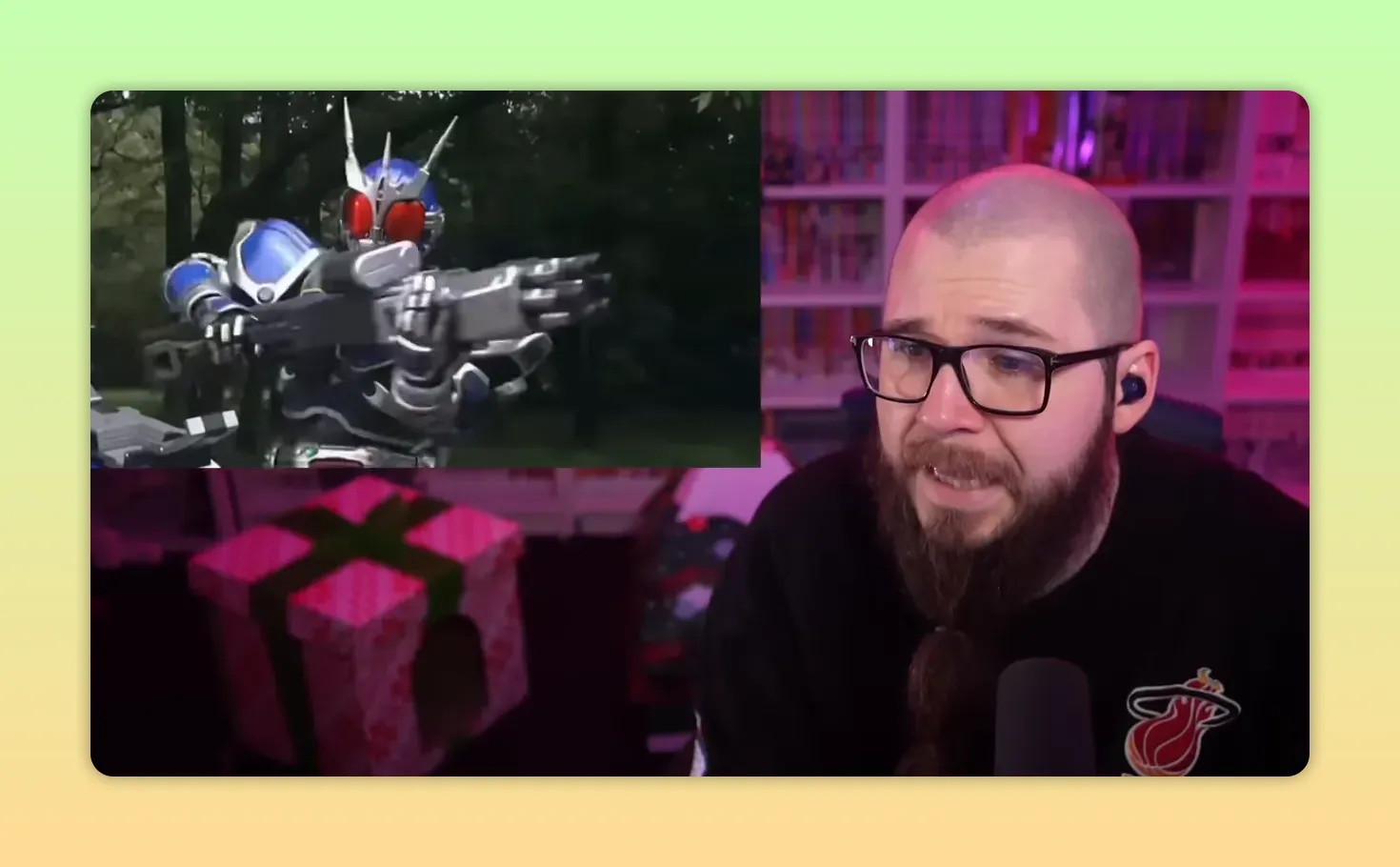
The image above highlights how a bulky weapon or prominent shoulder piece transforms a silhouette. That single swap instantly reads as more imposing and foregrounds the character’s new role. When talking about anime themes explained, it is this silhouette-first approach that most reliably translates visual intent into emotional impact.
Color elevation: why white and gold feel like ascension
Color change is one of the most commonly used shorthand tools in genre design. A palette shift to white, gold, or luminous tones signals a promotion from mortal struggle to transcendent purpose. The move from darker base colors to white-and-gold final forms reads across cultures as purification, divinity, and climax. That is a staple of anime themes explained.
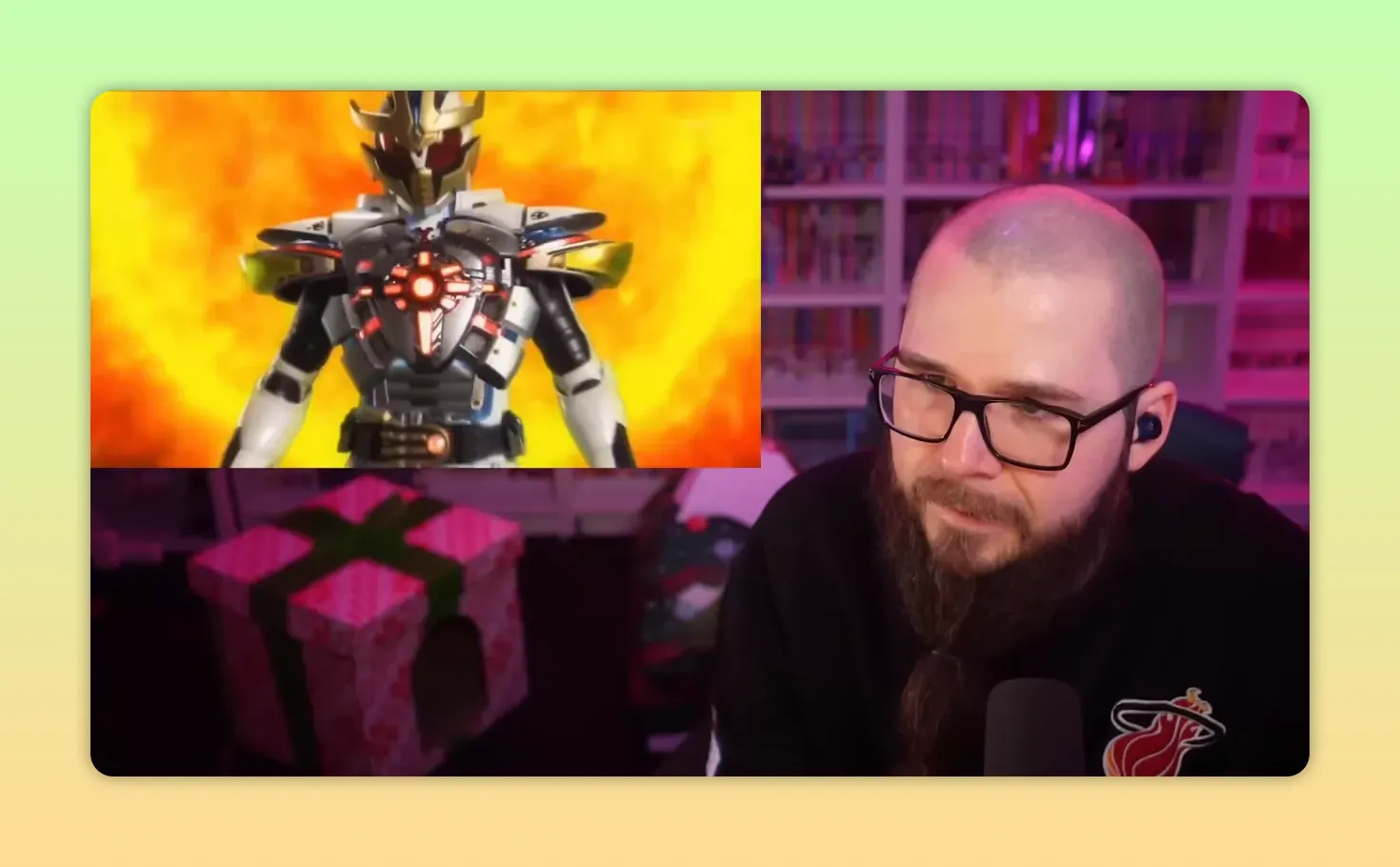
This screenshot shows how white and gold can make a character seem simultaneously regal and pure. Designers use reflective materials, warm highlights, and a central emblem to reinforce that idea. The emblem at the chest often acts like a focal point—an arc reactor or sun motif that anchors the new power thematically and visually.
- Gold denotes prestige and amplification of power.
- White registers as cleansing or rebirth.
- Blue accents introduce control and calm, balancing the fiery implications of gold.
Motifs that repeat: animals, elements, and mythology
When anime themes explained are examined across multiple final forms, a handful of motifs emerge repeatedly: animal associations, elemental alignments, and mythological references. These motifs deliver emotional shorthand and give each transformation a narrative hook.
Animal iconography
Animals stand in for instinctual traits: wolves for loyalty and ferocity, birds for freedom and vision, bats for nocturnal cunning. A mane, muzzle-like helmet, or tail can change perception instantly. The wolf motif, especially in forms that use white and icy tones, signals a lone protector or a spirit guide, tying into older myths about guardian beasts.
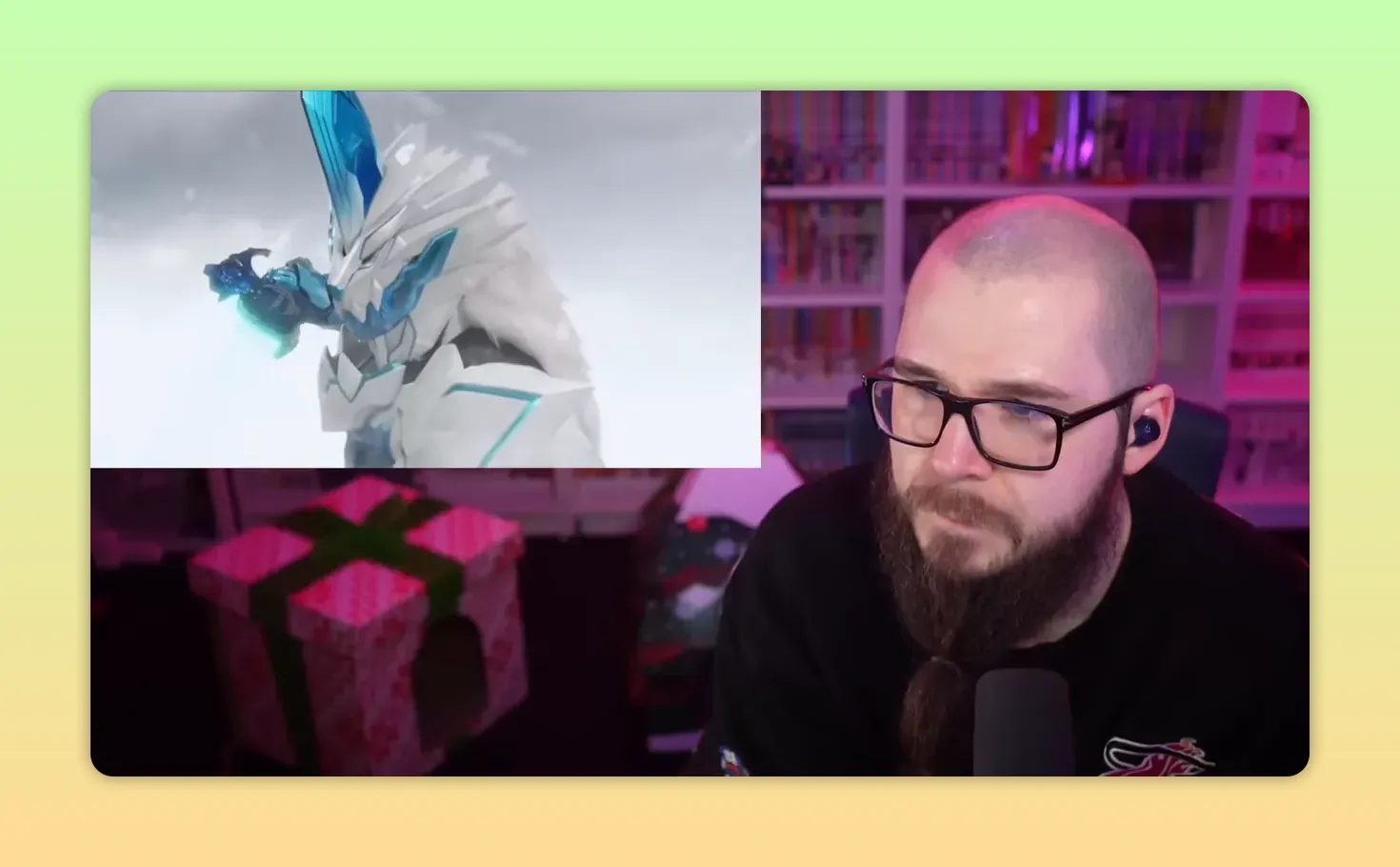
The wolf-like upgrade shown above pairs a mane with sharp armor plates to evoke both myth and physicality. When decoding anime themes explained, the animal motif acts as a direct shorthand for character attributes, letting audiences map behavior to design instantly.
Elemental alignments
Elemental motifs—ice, fire, lightning—translate into both visual effects and choreography. Ice forms often use crystalline spikes, cool blues, and slashing motions to mirror brittle beauty and precision. Fire forms favor flowing capes, jagged red highlights, and sweeping attacks. These choices are staples of anime themes explained because they connect action language to elemental physics audiences already understand.
Mythical and mechanical blends
Many final forms blend myth with machine: a unicorn horn becomes a power conduit, or a phoenix motif becomes a combustion engine. That hybridization delivers both ancient resonance and modern technical plausibility, a pattern central to anime themes explained where the past and future collide in design.
Finishers as punctuation: rhythm, framing, and stakes
Finishers are not random displays of power; they are punctuation marks. The choreography, camera angles, and sound design of a finisher conclude a scene emotionally the way punctuation concludes a sentence. In genre terms, the finisher needs to do three things: feel inevitable, look decisive, and land with a visual motif that reinforces the form. Viewed in the context of anime themes explained, finishers are where narrative and spectacle meet.
Three finisher patterns occur most frequently:
- Direct impact finishes: a running or slashing move that drives through an opponent, signaling dominance.
- Concentrated energy releases: convergence into a single beam, ball, or explosion that focuses the form’s thematic element.
- Combining attacks: multiple allies, forms, or summoned motifs hit in sequence to emphasize unity or legacy.
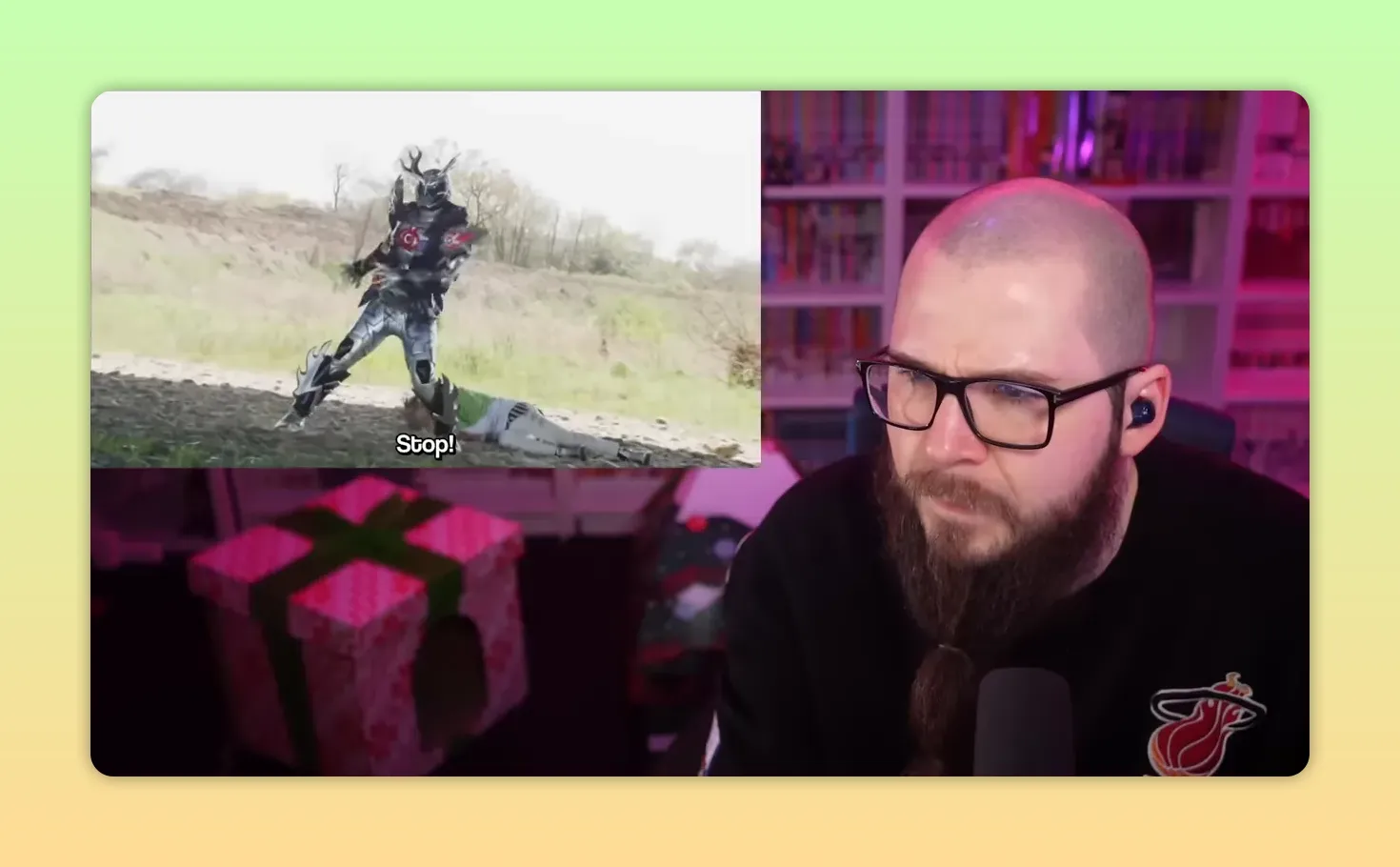
The screenshot above captures a run-through finisher. This kind of move feels immediate and brutal. It reads as a physical embodiment of persistence and momentum. When studying anime themes explained, this kind of finisher shows how movement vocabulary interacts with costume to sell finality.
Layered finishers: transitions and surprise
Many secondary riders receive layered finishers—small prelude attacks that lead to a decisive blow. These moments can feature a call-and-response with the camera, an initial trap or immobilization, and then a final strike that visually completes a motif (for instance, turning the trapped foe into shards of ice if the form is ice-themed).
Layered finishers make the scene cinematic and let the audience appreciate both choreography and special effects. They are a key subject when explaining how anime themes explained operate in practice: finishing sequences are not just flash, they are storytelling beats executed visually.
Borrowed items and legacy storytelling
One of the most poignant uses of costume design is in legacy elements: using a dead friend’s item, combining forms, or borrowing motifs from a mentor. That design choice conveys grief, responsibility, and continuity without a montage. It is an elegant tool found repeatedly when discussing anime themes explained.
For example, a rider who uses a fallen ally’s transformation device will often have colors or texture cues borrowed from that ally. The borrowed item becomes a narrative prop in the same way a prop sword would be. Design-wise, it clarifies alliance and stakes: the rider fights not just for himself but for the memory or mission of someone else.
When complexity works and when it overwhelms
Complexity can be beautiful, but it must be purposeful. Overly busy final forms with too many small elements can lose the eye. The rule of thumb is clarity at distance and richness up close. Anime themes explained teaches that complexity should reward proximity: when viewers zoom in, new glyphs and motifs should reveal themselves, but the silhouette must still read from far away.
Successful complex designs follow these principles:
- One dominant shape anchors the design (cape, mane, staff).
- Secondary elements add texture without breaking the silhouette.
- Color hierarchy prevents visual muddle: primary, secondary, and highlight colors should be clear.
Fan-facing effects and the role of the compilator
Compilation presentations can unintentionally reveal what fans love most. When multiple transformations are included for a single rider, it often signals popularity. That has two effects: it validates the chosen design and it can create expectations for narrative focus. Discussions of anime themes explained should account for how distribution and remixing affect design reception; a form that shows up repeatedly in highlight reels becomes emblematic of a character whether or not it was central to the original arc.
Design language examples and practical breakdowns
Below are focused breakdowns of common secondary rider choices mapped to their narrative implications. These examples are practical ways to read form and finisher as story elements using anime themes explained principles.
1. The cape upgrade
Visual language: A cape changes posture, adds motion, and creates dramatic frames for aerial or sweeping attacks.
Narrative implications: Authority, theatricality, and a shift from reactive to proactive action. Capes are often given when a character takes on leadership or embraces destiny, which ties directly into how anime themes explained marks stage changes in a character’s arc.
2. The white-and-gold ascension
Visual language: High-contrast, reflective materials, a central chest emblem, and often a warming light source.
Narrative implications: Purification, rebirth, or unlocking latent power. The chest emblem can act as both a power source and a religious or mythological symbol. This pattern is a classic example in the study of anime themes explained, as color and emblem do most of the storytelling.
3. Animal motif with elemental twist
Visual language: A mane, tail, or muzzle integrated with spikes or crystalline elements tied to an element like ice or fire.
Narrative implications: An animal motif wrapped in an element amplifies a character’s primal quality with a specific power. A wolf with ice suggests controlled ferocity and ritualized hunts, while a phoenix with flames suggests cyclical renewal. These are textbook entries for anime themes explained.
4. Legacy item integration
Visual language: A shared color accent or physical object (a gauntlet, pendant, or transformation device) embedded into the new form.
Narrative implications: Grief, obligation, and continuity. This choice signals that the character’s power is bound to memory and responsibility, a theme that shows up frequently in analyses under the umbrella of anime themes explained.
Choreography lessons: how finishers sell emotion
Choreography is the grammar of movement. The difference between a finisher that lands and one that fizzles is the pacing and camera grammar. Finishers that succeed in communicating narrative do three things well:
- They set up expectation with a pre-finisher action.
- They delay gratification long enough to create tension.
- They deliver a payoff that mirrors the character’s thematic element.
For example, a finisher that begins with immobilization and ends with a focused beam aligns perfectly with an ice-themed final form: immobilize, then shatter. That pattern is a reliable lesson when translating anime themes explained into choreography notes for creators.
How secondary riders can outshine leads
Secondary riders often have more creative latitude. Without the burden of anchoring a full season, their final forms can experiment with extremes—overly ornate helmets, multiple weapon attachments, or fused forms with other riders. When those experiments succeed, they can outshine the lead because they are concentrated statements rather than serialized arcs.
Recognition of this trend is part of a fuller study of anime themes explained: secondary characters become laboratories for design and for introducing motifs that later become staples.
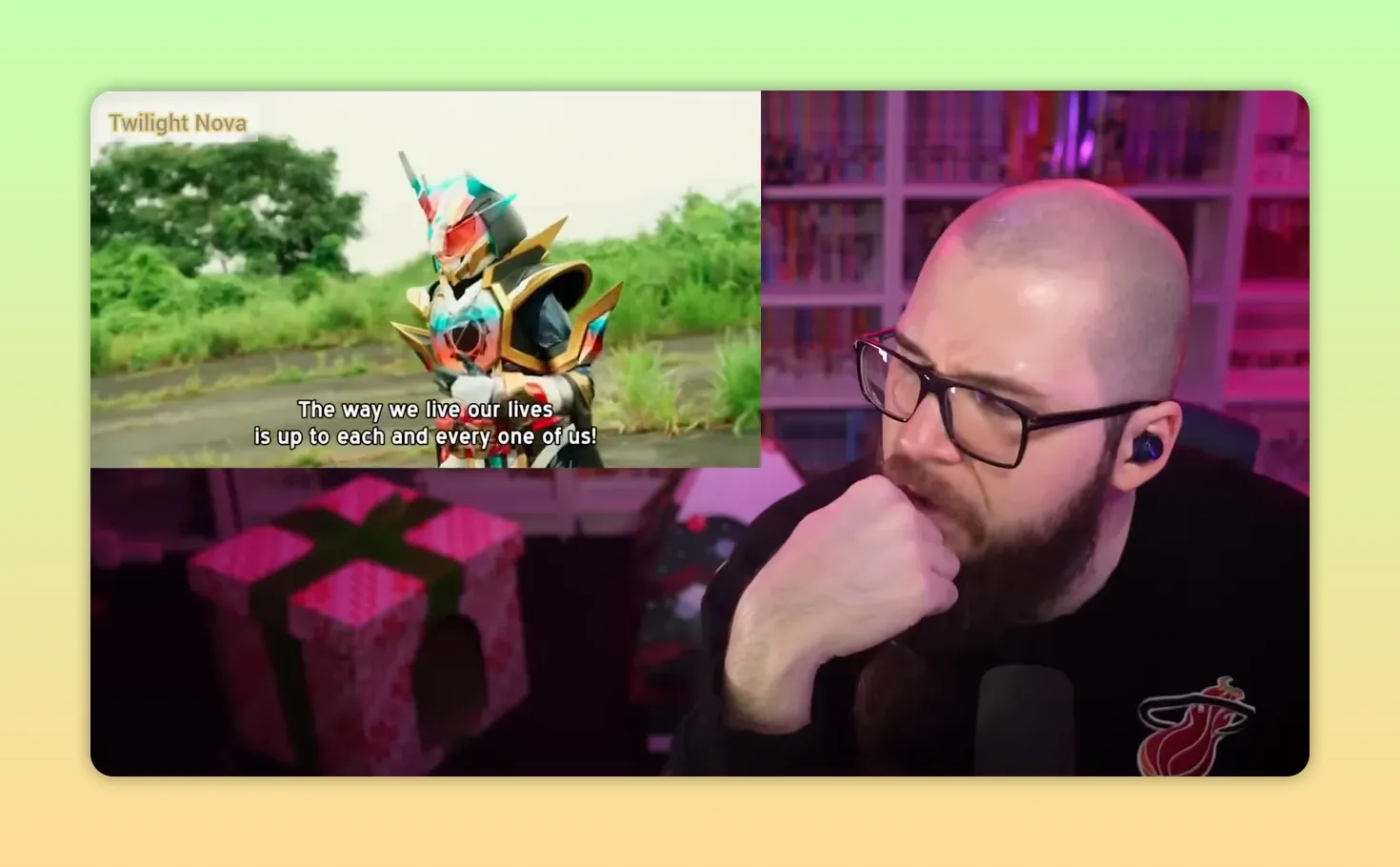
The image above shows a multilayered color approach for a female form that mixes pinks, cyans, and jewel-toned highlights. This design demonstrates how careful color balancing prevents overload. The form is bulky but still elegant—a textbook case of controlled excess that the phrase anime themes explained helps to decode.
Practical design guide for creators: applying anime themes explained
Designers and writers can use these practical rules to craft final forms and finishers that feel meaningful rather than arbitrary. The following action items summarize how to apply the methods discussed.
- Start with a carrier shape: a cape, crest, or mane that establishes silhouette instantly.
- Pick a dominant motif: animal, element, or mythic symbol that reflects the character arc.
- Create a color hierarchy: primary, secondary, and highlights to support readability at any scale.
- Design the finisher as narrative payoff: a move that uses the motif’s logic to resolve conflict.
- Use legacy items to tell backstory visually: a borrowed device or color accent carries emotional weight.
- Limit complexity in silhouette; add complexity in texture and close-up details only.
Following these steps implements the core lessons of anime themes explained in a way that yields cohesive, emotionally resonant final forms.
Choosing a series to start with: a viewer’s roadmap
For newcomers hoping to experience these storytelling tools in action, it helps to pick a series with strong design consistency. Consider series that emphasize transformation as narrative milestones and that give meaningful screen time to secondary riders. Look for:
- Clear color symbolism in uniforms and transformations.
- Secondary riders who receive multiple upgrades or are explicitly tied to lead characters via legacy items.
- Choreography that uses finishers to resolve plot beats rather than solely for spectacle.
When determining which series will resonate most, weigh whether you want mythology-heavy stories, tech-focused arcs, or human-drama-driven upgrades. The right match makes the principles behind anime themes explained easier to appreciate and analyze.
Myths, mechanics, and merchandising: why final form design matters beyond story
Designers also consider toyability and merchandising. A form with removable parts, a clear emblem, and a unique weapon will translate to collectibles more naturally. That reality shapes design choices: some elements are chosen because they photograph well, slot into action figure lines, or become iconic emblems that fans identify with.
This commercial angle does not diminish narrative value. Instead, it often reinforces it. A well-placed emblem or signature weapon can anchor both the story and the marketplace—another way that anime themes explained completes the loop between art and audience.
When a finisher needs to be more than spectacle
Finishers should always feel earned. If an upgrade arrives without stakes, the finisher risks feeling like a cheap fireworks show. To avoid that trap, a finisher should:
- Resolve a personal stake for the rider—revenge, protection, survival.
- Reinforce the motif—ice shattering, wings unfurling, a crest emitting light.
- Leave a visible aftermath that shows cost or transformation.
These rules ensure the finisher contributes to character development rather than merely serving as spectacle.
Common pitfalls and how to avoid them
Even experienced teams fall into a few predictable traps when designing final forms and finishers. Awareness of these pitfalls allows for better decisions.
- Overwhelming ornamentation. Fix by simplifying silhouette and reinforcing a color hierarchy.
- Motif dilution. Fix by committing to one dominant motif rather than three competing ones.
- Finisher mismatch. Fix by ensuring the finisher’s choreography uses the same logic as the form’s motif.
Keeping these corrective actions in mind helps the work remain coherent both visually and narratively—exactly the kind of insight anime themes explained aims to provide.
Examples that illustrate the principles
A few illustrative choices repeat across successful final forms. Each example below ties a design choice to its narrative payoff and references the larger practice of anime themes explained.
- Run-through finishes: Effective when the character’s arc is momentum-driven—proving they cannot be stopped.
- Convergence beams: Best when the final form represents synthesis, like merging multiple sources of power.
- Legacy fusion: When a rider absorbs a lost friend’s device it visually equates the new power with memory.
- Animal-element combos: Provide immediate thematic richness; wolf+ice or phoenix+flame are archetypal combos.
A brief creative worksheet: apply anime themes explained
Use this quick worksheet to prototype a final form concept. It follows the logic of anime themes explained and helps maintain clarity during iteration.
- Name the character’s emotional pivot (revenge, protection, redemption).
- Choose a dominant motif (animal, element, mythic symbol).
- Pick a silhouette anchor (cape, crest, mane, staff).
- Select primary/secondary/highlight colors.
- Design a finisher that uses the motif to resolve the pivot.
- Decide whether a legacy item appears and how it alters color or shape.
Working through these steps produces a concept anchored in narrative function, not only aesthetics—precisely why anime themes explained is a useful framework for creators.
What creators can learn from secondary riders
Secondary riders are laboratories for risk. They demonstrate that smaller narrative investments can yield iconic visuals. Designers and writers can borrow these lessons:
- Be bold with silhouette changes—a single new cape or crest can sell an upgrade.
- Use color elevation sparingly; white and gold should feel earned.
- Make finishers narratively consequential; they should answer a barrier the character faced earlier.
- Leverage legacy items to compress backstory into design.
These practical rules are a direct outgrowth of studying anime themes explained across successful final forms.
Keeping designs fresh while honoring genre expectations
Designers must balance novelty and familiarity. Fans want innovation but also recognizable emotional beats. The best final forms twist expectations—adding an unusual emblem, an unexpected color swap, or a finisher that resolves in a surprising but logical way. These choices keep the genre alive because they respect the core rules of anime themes explained while bending them creatively.
Further reading and study suggestions
For those who want to analyze more examples, compare final forms across eras. Note which motifs persist and which fade. Pay attention to:
- How color palettes evolve with production technology.
- How merchandising needs shape design details.
- How storytelling priorities—mythic vs personal—change finisher styles.
Engaging with these variations deepens understanding of anime themes explained and builds a visual vocabulary for creators and critics alike.
What is the difference between a base form and a final form?
A base form establishes the character's default traits and limitations. A final form elevates those traits, usually after a significant narrative development. Final forms change silhouette, color hierarchy, or add a motif that signals the character's new role or power.
Why do designers use white and gold for ascension forms?
White suggests rebirth and purity while gold implies prestige and amplified power. Together they create a visual signifier of elevation. This color combination is a common element when explaining cool-down and payoff in the study of anime themes explained.
How should a finisher reflect a rider’s narrative arc?
A finisher should resolve a thematic or emotional tension present in the arc: immobilization then shatter for revenge, fusion beams for synthesis, or a run-through for unstoppable momentum. Choreography should follow the logic of the form’s motif.
Can secondary riders be as narratively important as leads?
Yes. Secondary riders often embody concentrated themes and can crystallize an emotional beat in a single upgrade or finisher, which sometimes resonates more strongly than prolonged lead arcs.
What practical steps help a designer avoid overcomplication?
Prioritize a clear silhouette, limit primary color shifts, and reserve intricate details for close-ups. Make sure any added element supports the dominant motif rather than competing with it.
How do legacy items function in design?
Legacy items compress story into a visual cue. Integrating a fallen ally's device or emblem into a final form conveys responsibility, grief, or continuity without dialogue and often elevates the emotional stakes of the finisher.
A final note on practice and appreciation
Understanding the mechanics behind final forms and finishers enriches both creation and appreciation. The patterns described above—what anime themes explained points to—help one see beyond surface spectacle to the choices that make a design communicative and meaningful.
Creators can use these rules as starting points, not rigid prescriptions. The art is in knowing which rule to bend. For readers who want to apply these lessons, the worksheet and practical rules offer immediate exercises to test concepts in design sketches or fight choreography. The reward is visible: final forms that do more than look good; they say something about who a character is and why they fight.
Design remains a conversation between maker and audience. When the language of motif, color, and motion is clear, the conversation becomes immediate and powerful. That clarity is the heart of why anime themes explained matters for final forms and finishers alike.
This article was created from the video FIRST TIME Watching Every Secondary Kamen Rider FINAL HENSHIN & FINISHER! with the help of AI.
Anime themes explained: decoding Secondary Kamen Rider Final Forms and Finishers. There are any Anime themes explained: decoding Secondary Kamen Rider Final Forms and Finishers in here.
Sponsor

